
2026-04-30
UUGreenPower
0
Electric vehicle technology depends heavily on the efficiency of the power conversion process that happens inside every charging station. At UUGreenPower, we focus our engineering efforts on reducing the amount of electricity wasted as heat when alternating current from the grid is turned into direct current for a vehicle battery. Every percentage point gained in efficiency directly translates to lower operational costs for the station owner and faster charging times for the driver. By utilizing advanced power electronics and innovative cooling designs, a modern ev charging module can reach peak efficiency levels of over 96%. This high level of performance is not just about saving energy; it is about extending the lifespan of the hardware by reducing thermal stress on the internal components.
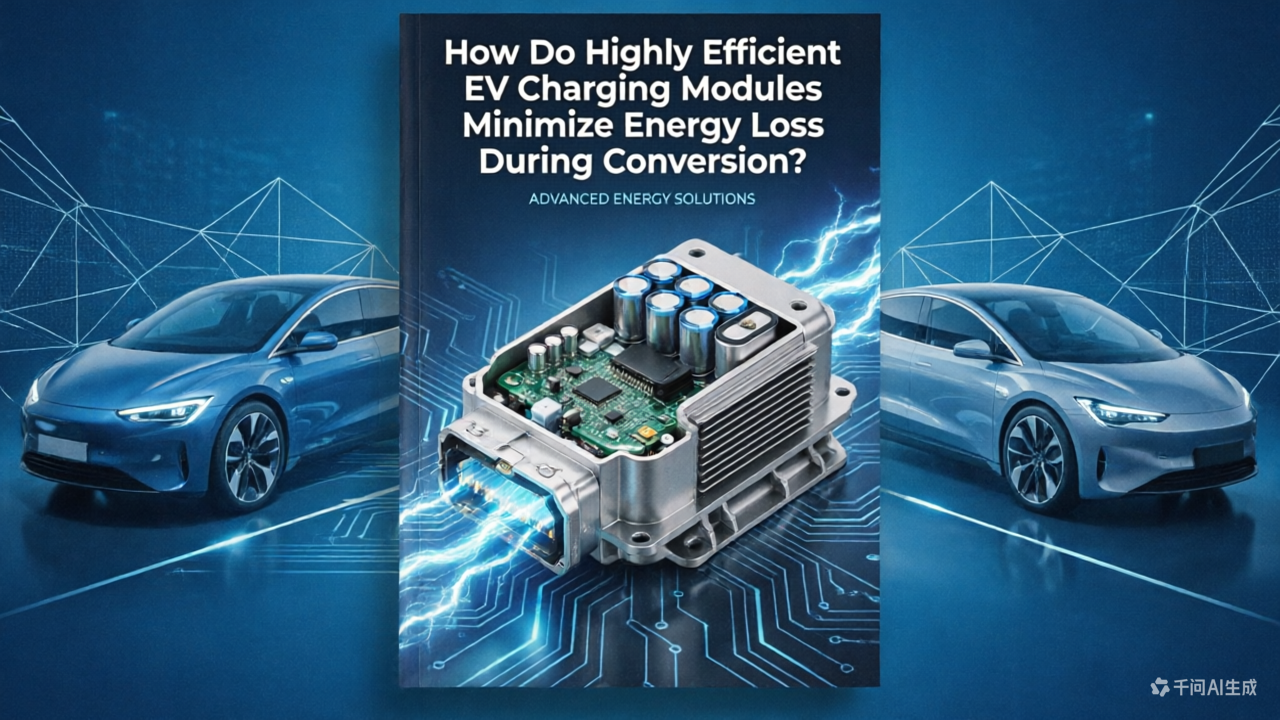
Optimizing the Architecture of an EV Charging Module
Efficiency begins with the internal layout and the selection of semiconductor materials that can handle high voltages with minimal resistance. An ev charging module must perform a complex series of switching operations to manage the flow of electricity, and each of these movements typically creates a small amount of waste. We have refined our circuitry to ensure that these switching losses are kept to an absolute minimum. By using high-frequency power conversion techniques, we can make the hardware smaller and more effective at the same time. This architectural focus ensures that the electricity you pay for actually makes it into the car instead of disappearing into the atmosphere. A well-designed ev charging module acts as a precision instrument that balances speed, heat management, and energy conservation.
Thermal Management in an EV Charger Power Module
Managing heat is perhaps the most significant challenge in maintaining high performance over long periods of heavy use. An ev charger power module generates heat as a byproduct of electrical resistance, and if this heat is not removed quickly, the efficiency of the system begins to drop. We address this by implementing independent air-duct designs and advanced cooling fins that pull heat away from the sensitive silicon components. This prevents the "thermal throttling" that often slows down charging speeds in lower-quality equipment. When an ev charger power module stays cool, it operates within its optimal range for longer, which protects the longevity of the entire station. This dedicated focus on thermal stability is a core reason why our hardware maintains such consistent performance even in hot climates or high-traffic locations.
The Impact of Using Highly Efficient EV Charging Modules
Long-term sustainability for a charging network is only possible when the underlying hardware is built for maximum resource utilization. Integrating highly efficient ev charging modules into a station reduces the total electrical load on the local grid, allowing for more chargers to be installed in a single area without requiring expensive utility upgrades. We see this as a critical step toward making electric mobility accessible to everyone. Beyond the environmental benefits, highly efficient ev charging modules significantly lower the standby power consumption, which is the energy used when the charger is idle. For an operator with hundreds of stations, these small savings across a fleet add up to thousands of dollars in annual utility savings. Investing in highly efficient ev charging modules is a strategic move that pays for itself through reduced waste and increased reliability.
To wrap things up, the secret to effective power conversion lies in the details of the engineering and the quality of the thermal management. We are committed to pushing the boundaries of what is possible in power electronics to ensure that energy is used as effectively as possible. Minimizing conversion loss is a multifaceted challenge that requires a deep knowledge of both material science and electrical design. At UUGreenPower, our goal is to provide the reliable building blocks that make the transition to electric transport both economically and environmentally viable. By focusing on high efficiency, we help our partners build infrastructure that is durable, cost-effective, and ready for the future. Every kilowatt saved is a step toward a more resilient and sustainable energy ecosystem for everyone.
How Does an IP65 Charging Module Prevent Damage From Salt Spray?
2026-04-29 NextWhat Safety Protocols Protect EV Charging Modules From High-Voltage Surges?
2026-04-30

