
2026-06-10
UUGreenPower
0
The shift toward electrified transport generates significant opportunities for energy management beyond simple battery replenishment. As we analyze the grid dynamics at UUGreenPower, we observe that the integration of bidirectional energy flow changes how infrastructure is perceived. Implementing a V2G solution allows operators to participate in active grid management, providing a layer of flexibility that was previously inaccessible to standard charging setups. By enabling vehicles to function as mobile storage units, this technology facilitates a more responsive and resilient electrical network.
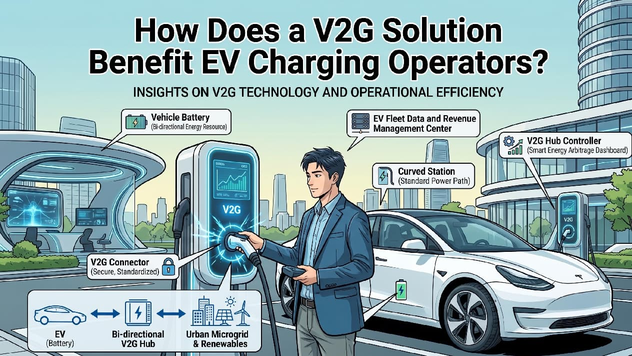
Enhancing Grid Stability and Demand Response
Utility providers frequently face the challenge of matching electricity supply with fluctuating demand. When charging stations are equipped with a capable V2G platform, they can inject power back into the grid during peak load periods. This capability assists in stabilizing the local distribution network, preventing overloads during high-usage intervals. By managing the discharge phase, operators contribute to a balanced energy landscape, which benefits both the utility and the broader community by reducing the necessity for additional peaking power plants.
Optimizing Operational Energy Management
Operators manage diverse energy portfolios that require precise control over consumption patterns. Integrating a robust solution V2G provides the necessary data and control interfaces to prioritize energy usage based on real-time pricing and availability. We recognize that the ability to shift loads or return energy during specific windows allows for a more refined approach to facility operation. This level of control ensures that infrastructure remains active and productive, rather than remaining idle when vehicle demand is low, thereby maximizing the utility of every connection point within the network.
Building Resilience in Distributed Energy Networks
The inclusion of bidirectional capabilities supports the growth of decentralized energy resources. A V2G implementation ensures that vehicles become an integral part of the regional energy ecosystem rather than just being passive consumers. For operators, this means the infrastructure becomes a point of influence in the local power market. At UUGreenPower, we emphasize that such connectivity improves overall system reliability. By creating a bidirectional bridge, operators can support critical infrastructure during grid events, demonstrating that high-capacity charging sites serve functions that extend far beyond their primary purpose of vehicle support.
Strengthening the Future of Energy Infrastructure
Bidirectional energy transfer represents a significant step in the evolution of transport and energy synchronization. As adoption grows, the synergy between individual vehicle batteries and the grid will become increasingly vital for maintaining a stable power supply. We remain focused on the hardware and software layers that make these interactions possible. By prioritizing interoperability and intelligent management, we help ensure that the transition to electric mobility strengthens the grid while providing operators with the tools required to manage energy assets with greater precision and foresight.
How Does IP65 Affect Wallbox Charger Installation Requirements?
2026-06-10 NextHow Can V2G Solutions Reduce Peak Energy Demand Costs?
2026-06-10

