
2026-06-11
UUGreenPower
0
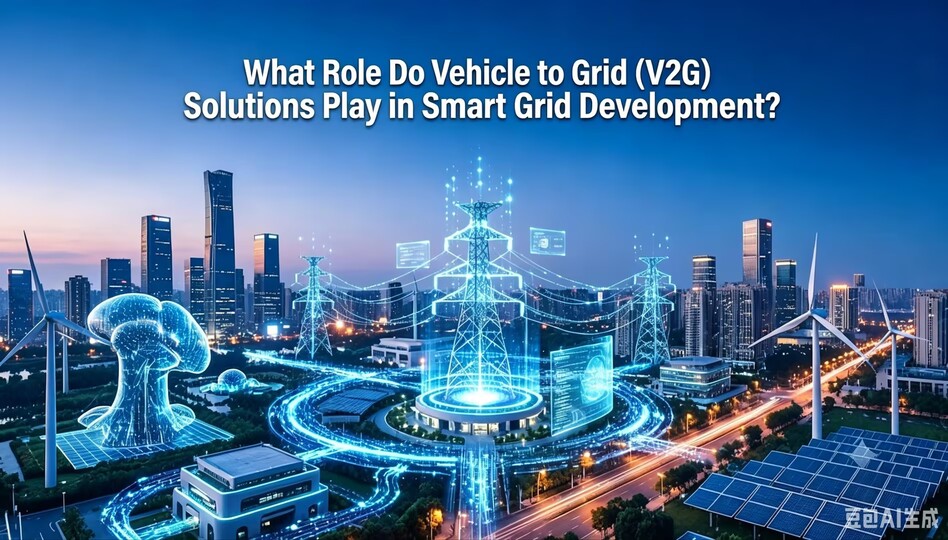
As our society shifts toward more sustainable energy practices, the integration of electric vehicles into the broader electrical network has moved from a conceptual theory to a practical reality. At UUGreenPower, we recognize that the expansion of smart grids requires reliable methods for managing intermittent renewable energy and balancing fluctuating power loads. The emergence of V2G technology provides an essential mechanism for this balance, effectively turning mobile electric vehicle batteries into distributed energy resources. By fostering a bidirectional exchange of power, we enable a more resilient infrastructure that adapts to the demands of modern energy consumption.
Facilitating Grid Stability and Frequency Regulation
One of the most significant contributions of this technology is its ability to provide immediate support to the electrical system during periods of high demand. When the grid faces stress due to peak usage, these vehicles can discharge stored electricity back into the network, acting as a flexible buffer. By utilizing V2G solutions capabilities, grid operators gain access to a decentralized reserve that helps maintain frequency and prevent instability. This coordination between individual vehicles and the wider power system ensures that energy is distributed where it is needed most, providing a smoother experience for all users connected to the grid.
Balancing Renewable Energy Intermittency
The variability of solar and wind power creates unique challenges for maintaining a steady electricity supply. Because these resources are weather-dependent, they often produce energy at times when demand is low, leading to potential waste. Our approach at UUGreenPower involves utilizing vehicle to grid power storage within vehicle batteries during off-peak hours. When renewable generation drops, this stored power can then be released, helping to fill the supply gap. This cycle of charging and discharging allows for the maximization of green energy, ensuring that a greater percentage of our power comes from renewable origins rather than conventional generation methods.
Enhancing Resilience for Buildings and Infrastructure
Beyond grid-level benefits, bidirectional energy flow allows for localized improvements in power reliability. By integrating systems that support these interactions, individual sites can become more autonomous and better prepared for unexpected outages. The use of advanced vehicle to grid V2G solutions hardware allows property managers to tap into the energy stored in plugged-in vehicles to support building loads. This local energy management reduces the reliance on primary network supplies and offers a secondary layer of security for essential services. Through the strategic deployment of such technology, the overall energy ecosystem becomes more adaptive and better equipped to handle localized stressors.
The Future of Integrated Energy Management
The continued development of these bidirectional systems is essential for achieving a fully optimized and intelligent power network. As more vehicles gain the capacity to participate in these energy exchanges, the collective potential for stabilizing the grid grows exponentially. We anticipate that as regulatory frameworks evolve and standardization becomes more widespread, the impact of these flexible assets will become even more pronounced. By prioritizing the development of V2G systems, we move closer to a future where mobility and power generation exist in a harmonious, efficient partnership, supporting a more sustainable and reliable energy landscape for everyone who utilizes vehicle to grid technology alongside V2G and V2G solutions.
How Can Smart Wallbox Load Management Reduce Charging Site Expansion Costs?
2026-07-16 NextHow Do V2G Chargers Integrate With Renewable Energy Systems?
2026-06-11

