
2026-06-11
UUGreenPower
0
The integration of electric vehicles into broader energy networks provides an innovative way to balance supply and demand. As we explore the potential of bidirectional power flow, many owners express valid concerns regarding the physical health of their vehicle energy storage units. A properly managed V2G setup allows a car to act as a mobile power bank, pushing energy back to the grid during periods of high demand. At UUGreenPower, we observe that the impact on battery longevity is not determined by the concept of discharging itself, but rather by the specific protocols used to manage these energy movements. When handled through intelligent software, this technology does not necessarily accelerate wear, and may even help maintain battery health under certain conditions.
The Dynamics of Bidirectional Energy Flow
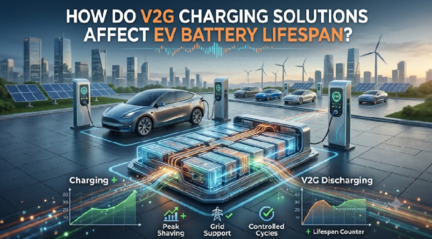
Traditional concerns regarding battery degradation often assume that every cycle of energy export adds significant stress to the chemical structure of the cell. However, the reality of a modern V2G charging solution is far more nuanced. Battery health is influenced by a complex interplay of depth of discharge, temperature, and the state of charge maintained over time. By utilizing sophisticated management algorithms, these bidirectional systems can perform shallow cycles that avoid the extremes known to cause accelerated capacity loss. This precise control ensures that the energy exported to the grid remains within safe operational parameters, effectively decoupling the service to the network from the rapid wear associated with heavy, uncontrolled usage.
Optimizing Battery Health through Intelligent Control
Software-driven energy management serves as the primary safeguard for preserving battery integrity during grid participation. When we implement a robust V2G architecture, the system continuously monitors internal health metrics, including cell temperature and state of charge, to optimize performance. Instead of constant, aggressive cycling, the hardware facilitates moderate energy exchange that keeps the chemistry stable. By avoiding long durations at maximum capacity and preventing deep discharge events, the battery avoids the typical triggers for calendar aging. This approach allows UUGreenPower to support grid stability while simultaneously ensuring that the core asset remains within its intended health range for as long as possible.
Balancing Grid Participation and Asset Preservation
The long-term viability of these bidirectional applications relies on aligning the interests of the grid with the needs of the vehicle owner. When a V2G charging solution is integrated into a home or commercial energy ecosystem, it operates under defined boundaries that prioritize vehicle availability and battery protection. Advanced systems can predict the next required trip and adjust the discharge limits accordingly, ensuring that the car always has the necessary charge for daily mobility needs. Because the system treats the battery as a valued resource, it applies conservative dispatch strategies that minimize unnecessary electrochemical stress. Through this balanced methodology, the technology provides significant grid support without compromising the functional life of the vehicle storage unit.
Future Outlook for Bidirectional Energy
Looking toward the future, the interaction between electric vehicles and the power grid will continue to evolve through better monitoring and adaptive control strategies. As hardware components improve and our ability to predict degradation becomes more precise, the fears surrounding capacity loss will likely diminish. The industry is moving toward a model where grid services are provided not through blunt force, but through high-fidelity, data-backed interactions that treat every battery as a unique entity. By focusing on these smart management techniques, we can effectively mitigate the risks of accelerated aging and fully realize the potential of our transport assets as vital components of a resilient energy future.
How Do V2G Chargers Integrate With Renewable Energy Systems?
2026-06-11 NextHow Do Wallbox Car Chargers Improve Charging Efficiency for Fleet Operators?
2026-07-17

