
2026-04-22
UUGreenPower
0
Summer heat creates a tough environment for high-power electronics, particularly during rapid energy transfer. When ambient temperatures climb, the internal resistance within cables and converters naturally rises, which often leads to energy waste and potential hardware strain. We prioritize thermal stability to ensure that our hardware provides a consistent charging solution even when the asphalt is radiating intense heat. Keeping conversion efficiency high is about more than just power savings; it is essential for protecting internal components and ensuring that drivers receive the speed they expect without interruptions.
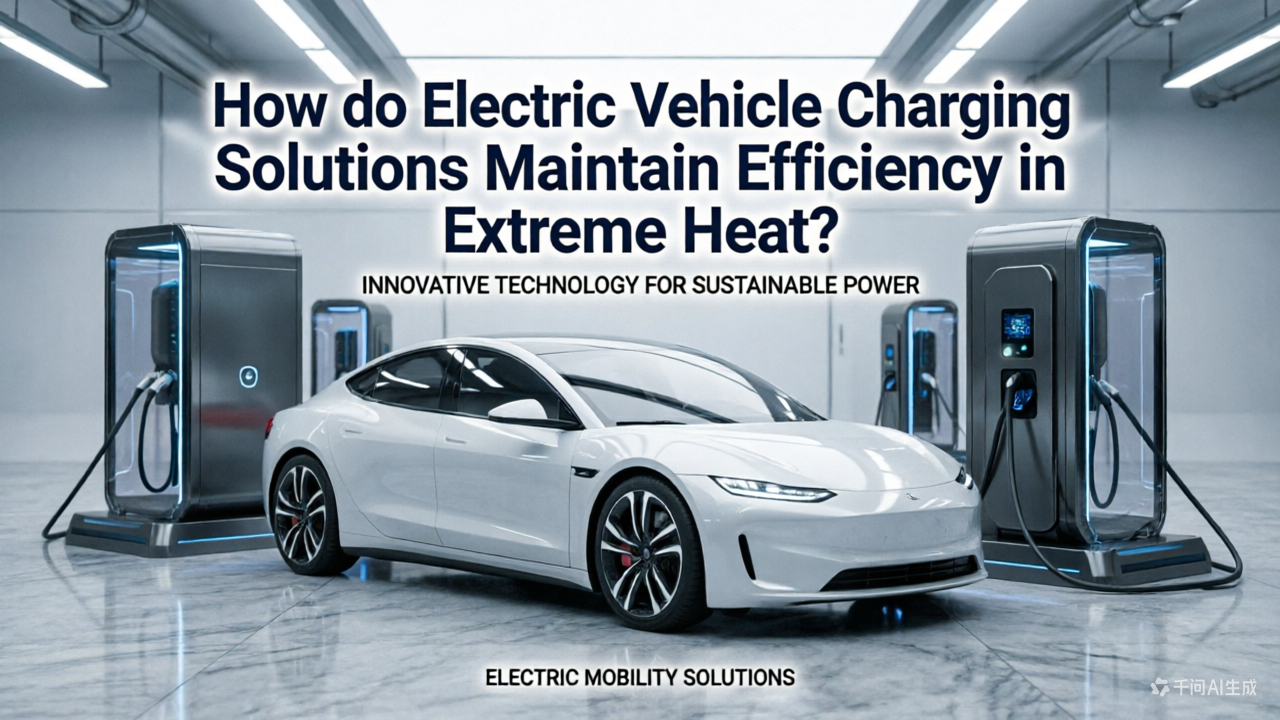
Thermal Management Through Liquid Cooling
When we develop high-capacity dispensers, we often utilize liquid cooling as a primary ev charging solutions strategy. Unlike standard systems that rely on fans to blow hot air over metal fins, liquid-cooled modules circulate a specialized coolant through a dedicated loop. This allows us to pull heat away from the most sensitive power electronics much more effectively. Our 40kW liquid-cooled modules, for instance, maintain an efficiency rate of up to 97% by keeping internal temperatures roughly 10°C lower than traditional air-cooled alternatives. This physical cooling path ensures that each charging solution can handle heavy loads in the sun without needing to "derate" or throttle the output to the vehicle.
Independent Airflow and IP65 Protection
For locations where air cooling is more practical, we use an independent air duct design to keep the ev charging solutions running smoothly. By isolating the sensitive components like chips and capacitors from the main cooling path, we prevent dust and hot, salty air from entering the critical electronics. This design uses high-velocity fans to move air through a sealed heat-exchange zone. This arrangement helps our electric vehicle charging solutions endure harsh environments, such as dusty construction sites or coastal areas, where heat and humidity often combine. By managing the airflow this way, we ensure the equipment remains reliable and efficient even when external conditions are far from ideal.
Smart Software and Load Balancing
Hardware is only half of the story; our control systems are the brain that keeps every electric vehicle charging solutions unit safe. We integrate real-time sensors that monitor temperatures at the connector, the cable, and the power stack. If the heat begins to approach a safe limit, the software intelligently modulates the power flow rather than just shutting down. This proactive management keeps the ev charging solutions in a "sweet spot" where they deliver the highest possible wattage while staying within a safe thermal range. This balance of digital monitoring and rugged engineering is why our systems can operate reliably throughout a heatwave.
Staying efficient during the hottest months of the year requires a combination of smart architecture and durable materials. We recognize that infrastructure uptime is vital for fleet operators and public stations, which is why we invest so much in these cooling technologies. By lowering the operating temperature of our systems, we extend the life of the electronic components and reduce the total cost of ownership for our partners. UUGreenPower builds these systems to stand up to the elements, ensuring that heat never becomes a barrier to fast charging. Our focus at UUGreenPower remains on providing steady, efficient energy so that the journey continues no matter how high the thermometer goes. This commitment to quality ensures every charging solution we provide is ready for the long haul.
Why Choose a Liquid Cooling Charging Module?
2025-07-26 NextWhy Are Modular Electric Vehicle Charging Solutions Better for Scalable Power Grids?
2026-04-22

