
2026-04-22
UUGreenPower
0
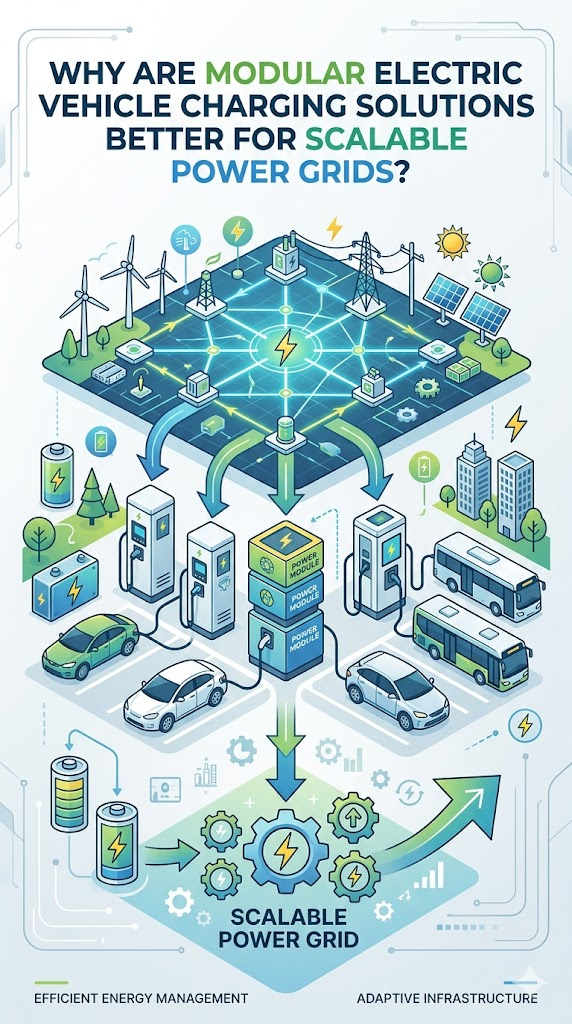
Efficiency matters when we look at how cities manage the sudden surge of electric cars on the road. At UUGreenPower, we spend a lot of time thinking about how to keep the lights on while everyone plugs in at the same time. The traditional way of building infrastructure often feels like trying to predict the future with a crystal ball. You either build too big and waste money, or build too small and face a massive headache when demand grows. That is why we focus on modularity. It is not just a buzzword; it is a practical way to ensure that a charging solution can grow alongside the community it serves. By breaking down the hardware into smaller, manageable units, we create a system that stays flexible and resilient.
Managing Load with Incremental Growth
One of the biggest hurdles for any utility provider is the unpredictable nature of energy spikes. When we design ev charging solutions, our priority is ensuring the grid does not feel the strain of a sudden heavy load. Charging module solutions allow operators to start with a modest setup that matches current local demand. Instead of installing a massive, rigid station that draws maximum power from day one, we can add power modules as more drivers switch to electric. This step-by-step approach prevents unnecessary stress on transformers and local distribution lines. It means the energy provider can monitor real-time usage and scale the capacity only when the data shows it is actually necessary.
Enhancing Reliability through Redundancy
Reliability is the backbone of public trust in new technology. If a single point of failure takes down an entire station, it creates a ripple effect of frustration for drivers and lost revenue for operators. We build our electric vehicle charging solutions with the idea that no single component should be indispensable. In a modular configuration, if one power module experiences an issue, the others continue to function. This built-in redundancy ensures that the station remains active, even if at a slightly lower capacity, while maintenance is scheduled. It changes the maintenance model from emergency repairs to predictable service cycles. This stability is vital for maintaining a healthy relationship between the charging network and the power grid.
Reducing Long-Term Infrastructure Costs
Financial sustainability is just as important as technical capability. High upfront costs often stall the expansion of green energy projects. By utilizing a modular framework, we help businesses avoid the "rip and replace" cycle that plagues older technologies. When a higher power standard emerges or demand triples, you don't have to tear out the concrete and start over. You simply swap or add modules within the existing cabinet. This approach significantly lowers the total cost of ownership over a decade or more. Our team at UUGreenPower believes that making the hardware adaptable is the most responsible way to handle the rapid evolution of battery technology and grid requirements.
Scaling up doesn't have to be a gamble. By choosing a path that emphasizes modularity, we are helping to build a bridge between current grid capacities and the high-demand future of transport. These systems offer the flexibility to grow, the redundancy to stay online, and the cost-efficiency to remain viable for years to come. Moving forward, the goal is to keep the process simple: add power when you need it, maintain it without stress, and keep every driver moving without compromising the stability of our shared energy resources.
How Do Electric Vehicle Charging Solutions Maintain Efficiency in Extreme Heat?
2026-04-22 NextHow Do Car Charging Solutions Compare to High Power Industrial Systems?
2026-04-22

