
2026-04-22
UUGreenPower
0
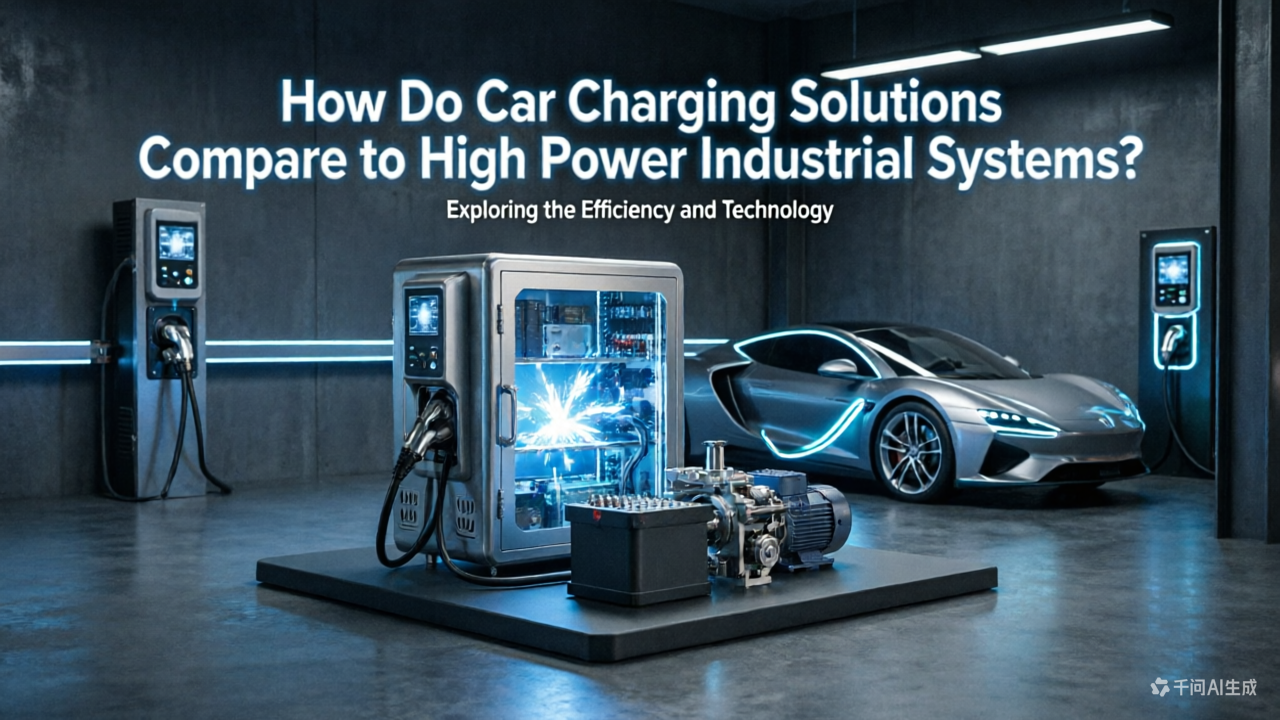
Everything in the world of electrification moves fast, and we often get questions about how smaller setups differ from heavy-duty equipment. When we look at a typical car charging solutions setup compared to a high power industrial system, the scale and technical requirements shift dramatically. For everyday vehicles, the focus is often on convenience and compatibility with home or public networks. Industrial systems, however, are built for massive throughput and continuous operation in demanding environments. At UUGreenPower, we develop hardware for both ends of the spectrum, ensuring that whether you are powering a personal vehicle or an entire industrial fleet, the energy transfer is seamless.
Efficiency and Power Density in Different Scales
Reliability is the backbone of any charging solution, but the way we achieve it varies by application. In high power industrial systems, the sheer volume of energy handled means that even a 1% loss in efficiency results in massive heat waste. Our industrial-grade modules achieve a rated efficiency higher than 96%. This level of performance is vital for industrial hubs where multiple high-capacity batteries must be filled simultaneously without overheating the local grid. While a residential car charging solutions unit might focus on a compact footprint for a garage, industrial units prioritize power density—sometimes reaching 60W/in³—to fit as much charging capacity as possible into a limited electrical cabinet.
Environmental Protection and Durability
Working in diverse conditions requires hardware that can stand up to the elements. For a standard ev charging solutions deployment in a city, aesthetic design and user-friendly interfaces are primary. However, in industrial settings—like mining sites or heavy logistics ports—the equipment faces dust, moisture, and extreme temperatures. We address this by engineering modules with an IP65 protection level. This ensures that the internal electronics are completely sealed from contaminants. While a home charging solution might reside in a protected carport, our industrial systems are designed to operate from -40°C to +75°C, ensuring that work never stops regardless of the weather.
Versatility Across Voltage Platforms
The technical complexity of a charging solution also involves the voltage range it can support. Most personal cars operate on a standard voltage, but the industrial sector uses a wide variety of platforms, including heavy-duty trucks and buses. To bridge this gap, we implement a super wide constant power voltage range, typically from 300V to 1000V. This allows one system to serve different types of machinery without needing constant hardware swaps. Furthermore, we integrated bidirectional capabilities into our ev charging solutions to help industrial users manage their energy more effectively, allowing the vehicle batteries to act as a backup for the site during peak demand periods.
Selecting the right equipment depends on your specific operational needs and the environment where the hardware will live. Whether you are installing ev charging solutions for a workplace or a massive high power industrial system for a logistics center, the goal remains the same: safe, fast, and efficient power. At UUGreenPower, we continue to push the boundaries of what these modules can do, making sure that every car charging solutions project we support is built on a foundation of professional engineering and real-world durability.
Why Are Modular Electric Vehicle Charging Solutions Better for Scalable Power Grids?
2026-04-22 NextCan Bidirectional Car Charging Solutions Provide Emergency Backup Power for Homes?
2026-04-23

