
2026-05-19
UUGreenPower
0
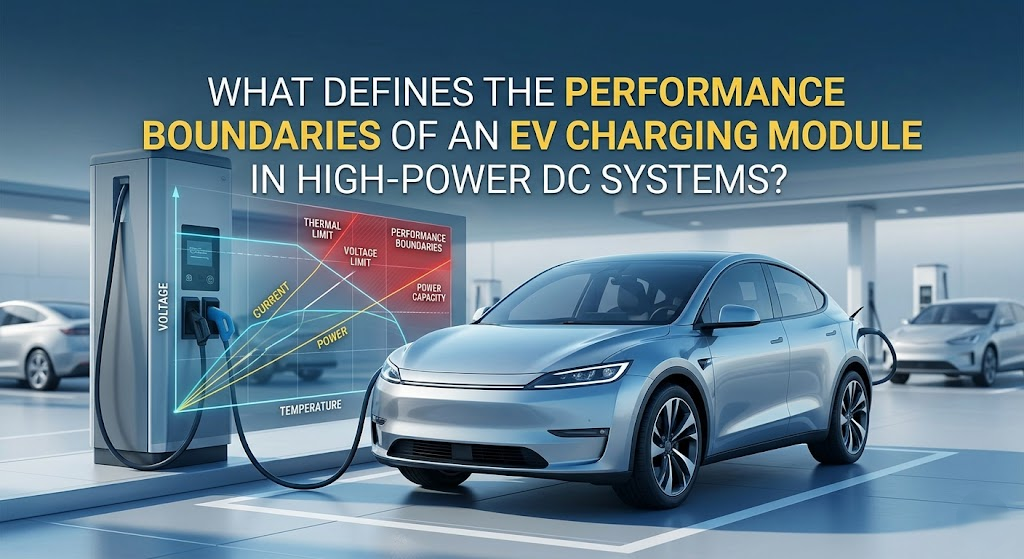
Efficiency and thermal management are the primary factors that dictate how far we can push a high-power system. When we design infrastructure, the ev charging module acts as the core engine, converting grid power into the energy that fuels electric fleets. While raw power output is often the first metric people look at, the true boundary of performance lies in how that module handles the heat generated during the process. If a system cannot maintain its internal temperature while operating at peak capacity, it will throttle its output, rendering the high-power label moot.
Thermal Resilience and System Integrity
Operating in harsh environments requires more than just high-density electronics; it requires a robust physical design that keeps contaminants out. We focus on independent cooling channels to ensure that the internal components of an ev charging module stay protected from dust and salt spray, which are common killers of outdoor hardware. By isolating the sensitive PCB areas from the airflow, we significantly extend the operational lifespan of the equipment. This approach allows high-power stations to run reliably in coastal regions or industrial zones without constant maintenance interventions.
Conversion Efficiency and Power Density
High-power DC systems demand an incredibly high power density to keep the overall footprint of the station manageable for urban installations. At UUGreenPower, we prioritize a wide output voltage range, ensuring that the ev charging module can service everything from standard passenger cars to heavy-duty electric trucks without losing its efficiency edge. The goal is to minimize energy loss during the AC-to-DC conversion phase, which reduces heat and lowers the long-term operational overhead for site owners. When the conversion process is optimized, the hardware can sustain maximum current for longer periods without hitting a thermal ceiling.
Scalability and Grid Compatibility
Compatibility with diverse power grids is another critical boundary that determines how effectively a charging station performs globally. We design our hardware to handle fluctuations in input voltage while maintaining a stable output, which is essential for protecting the vehicle's battery health. Since high-power systems often pull massive amounts of energy from the grid, the ev charging module must include sophisticated power factor correction to avoid polluting the electrical network with harmonic distortion. This level of grid-friendliness ensures that large-scale charging hubs can be deployed in areas with stricter utility regulations without requiring massive infrastructure upgrades.
Reliability in high-power DC charging is not about one single feature, but the harmony between heat dissipation, electrical efficiency, and environmental protection. UUGreenPower remains committed to refining these boundaries to ensure that the infrastructure we build today is ready for the higher demands of tomorrow. By focusing on the internal architecture and the resilience of each ev charging module, we help operators maintain high uptime and consistent performance across their entire network. Achieving a balance between extreme power and long-term durability is what ultimately defines a successful high-power installation.
How to Charge Your Electric Vehicle the Right Way
2026-05-18 NextWhy Are EV Charging Modules Designed With Standardized
2026-05-20

