
2026-05-21
UUGreenPower
0
Maintaining steady performance across a wide range of electric vehicles requires a deep grasp of how power moves from the grid to the battery. As manufacturers shift toward higher-voltage systems to decrease charging times, the internal components of a station must be agile enough to bridge the gap between legacy and modern designs. We focus on ensuring that the ev charging module provides the necessary flexibility to accommodate these varying electrical needs without sacrificing efficiency or safety.
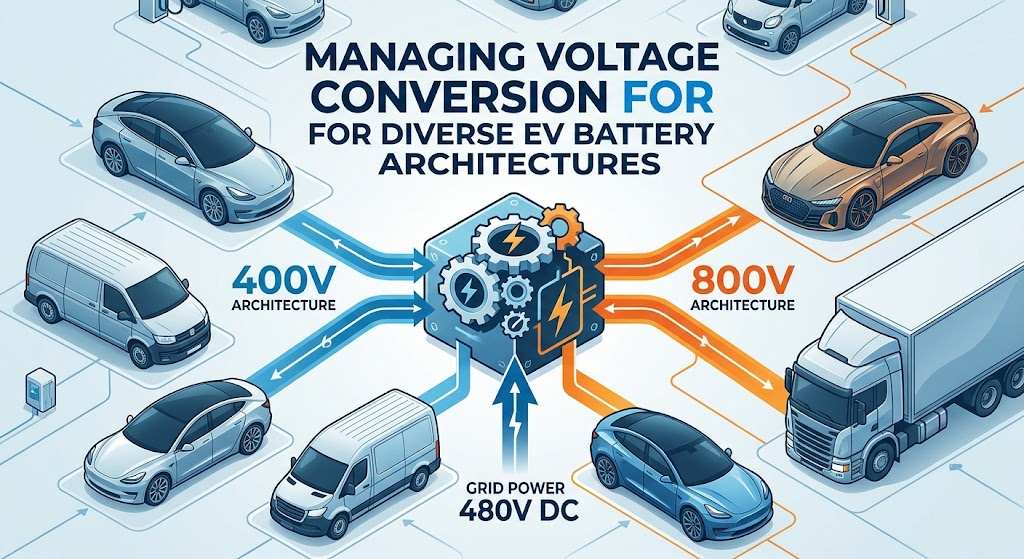
Adapting to Higher Voltage Standards
Modern electric vehicles are no longer restricted to the traditional 400V standard, with many new models adopting 800V or even higher architectures to support ultra-fast charging. This shift places immense pressure on the ev charging module to manage a broad output range while maintaining high conversion efficiency. Our approach at UUGreenPower involves utilizing advanced power electronics that can dynamically adjust to the specific voltage requirements of the vehicle’s Battery Management System (BMS). By doing so, the hardware ensures that energy flow is optimized for the specific chemistry and layout of the connected pack, preventing overheating and maximizing throughput.
Ensuring Seamless Component Synchronization
High-speed communication between the vehicle and the station is the backbone of a successful charging session. Every ev charging module must interpret signals from the car to determine the exact moment to step up or step down voltage during the different phases of the curve. Because battery resistance changes as the state of charge increases, the hardware must be responsive enough to make micro-adjustments in real-time. This level of precision helps protect the long-term health of the vehicle's cells, as it prevents sudden spikes that could cause degradation over hundreds of cycles.
Balancing Thermal and Electrical Stability
Operating at peak capacity across different architectures generates significant heat, which can become a bottleneck if not managed correctly. We integrate sophisticated cooling mechanisms within the ev charging module to ensure that high-voltage conversion doesn't result in thermal throttling. In a B2B environment where uptime is everything, the ability to sustain high power delivery across varying ambient temperatures is vital. By prioritizing a robust thermal design, the system remains reliable whether it is servicing a standard passenger car or a heavy-duty commercial truck with a massive battery footprint.
Building a resilient charging infrastructure means preparing for a future where battery diversity is the norm rather than the exception. By focusing on wide-range voltage compatibility and intelligent communication, UUGreenPower helps operators stay ahead of the curve. When the ev charging module is engineered to handle the nuances of different battery architectures, it results in a more reliable experience for the end-user and a more durable asset for the site owner. As the industry moves toward even higher voltages, having the right conversion technology in place will be the deciding factor in maintaining a competitive edge.
Why Are EV Charging Modules Designed With Standardized
2026-05-20 NextWhen Should Operators Replace or Upgrade an EV Charging Module in a Fast Charging Station?
2026-05-22

