
2026-05-25
UUGreenPower
0
Space has become a premium commodity in the world of electric mobility. As we develop infrastructure to keep up with the rapid adoption of electric vehicles, the demand for an efficient EV charging module that takes up less room while delivering more energy is skyrocketing. At UUGreenPower, we see this shift firsthand as operators look for ways to maximize their footprint without compromising on performance. High power density isn't just a technical metric; it is the backbone of making fast charging accessible in crowded urban environments where every square inch matters.
Shrinking the Footprint for Urban Integration
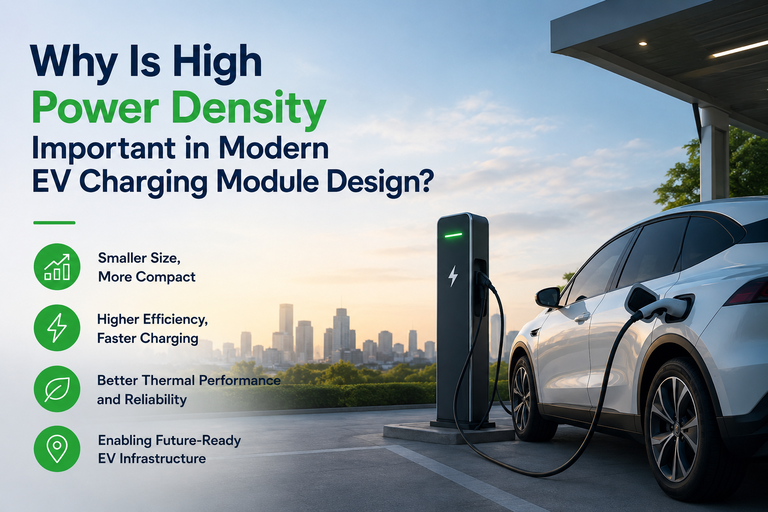
Building out a network of chargers in a busy city requires a strategic approach to physical space. When an ev charging module features higher power density, it allows the entire charging station to be smaller and more discreet. This compact design is vital for installing units in underground parking garages or narrow street-side locations where a bulky cabinet simply wouldn't fit. By focusing on density, we ensure that power delivery remains high even when the physical hardware is scaled down to meet the constraints of modern city planning.
Enhancing Heat Management and Reliability
Efficiency and heat are two sides of the same coin in power electronics. A well-designed EV charging module focuses on high power density to reduce energy loss during the conversion process. When modules are more efficient, they generate less waste heat, which simplifies the cooling systems needed within the charger. This streamlined thermal management leads to a more reliable system over time, as components aren't subjected to extreme temperature fluctuations. We believe that prioritizing this density is the most effective way to build hardware that stands up to constant, heavy use in the field.
Simplifying Future Infrastructure Expansion
Scalability is the biggest challenge facing the industry right now. Because a dense EV charging module packs more kilowatt capacity into the same frame, it allows station owners to increase their total power output without digging new foundations or replacing entire cabinets. This "more with less" philosophy means that as vehicle batteries grow larger and require faster speeds, the existing infrastructure can adapt more fluidly. By choosing high-density designs, we help our partners stay ahead of the curve, ensuring their sites remain relevant as the technology under the hood of the cars continues to evolve.
Focusing on power density is a practical necessity for the next generation of charging networks. It addresses the immediate needs of space-constrained locations while simultaneously improving the long-term reliability and flexibility of the hardware. As the market grows, the ability to pack significant energy into a smaller, more efficient package will remain a primary driver for innovation. For us, this focus ensures that the transition to electric transport is supported by a robust, space-efficient infrastructure that works for everyone.
Which Electrical Parameters Are Critical When Selecting an EV Charging Module for Industrial Use?
2026-05-24 NextHow Do EV Charging Modules Achieve Load Sharing in Parallel Configurations?
2026-05-26

