
2026-05-30
UUGreenPower
0
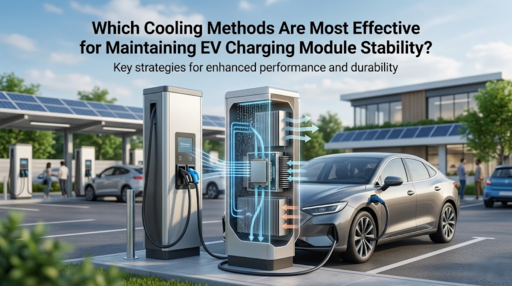
Heat management is the silent backbone of high-power energy transfer, directly influencing how long hardware lasts and how reliably it performs. When an ev charging module operates under heavy load, the internal components generate significant thermal energy that must be moved away quickly to prevent performance drops. We see that the choice between different dissipation strategies depends entirely on the environment and the power density required for the specific site. By prioritizing thermal balance, we help operators maintain a steady flow of energy without the risk of hardware fatigue or unexpected shutdowns.
Forced Air Cooling for Practical Versatility
Many standard installations rely on forced air to keep temperatures within a safe range for the internal electronics. This method uses high-speed fans to pull ambient air through the chassis, which is a straightforward way to stabilize an ev charging module in moderate climates. It is a reliable choice for sites where the physical footprint allows for adequate ventilation and where the air is relatively free of heavy pollutants. We find that keeping the internal airflow path clear is the most effective way to ensure that these air-cooled units remain consistent during back-to-back charging sessions.
Independent Air Ducts for Harsh Environments
In locations with high dust, salt, or humidity, a standard fan setup might expose sensitive circuits to environmental damage. To counter this, an ev charging module can be designed with an independent air duct that isolates the power components from the cooling air stream. This "sealed" approach provides a high level of protection, often reaching IP65 standards, which allows the hardware to thrive in deserts or coastal regions. At UUGreenPower, we advocate for this type of structural isolation because it prevents the buildup of debris that typically leads to overheating and component failure over time.
Liquid Cooling for High Power Density
As the industry moves toward ultra-fast charging, liquid-based systems are becoming more common for managing extreme heat. A liquid-cooled ev charging module uses a dedicated coolant loop to carry heat away much more efficiently than air ever could, allowing for a much more compact cabinet design. This method is exceptionally quiet and keeps internal temperatures very uniform, which is vital for the longevity of high-voltage parts. We recognize that while this involves more complex plumbing, the stability it offers for 480kW and higher outputs is unmatched for heavy-duty infrastructure needs.
Choosing the right thermal strategy is about balancing the specific needs of the location with the expected power throughput. Whether it is a standard fan-cooled setup, an isolated air duct for protection, or a liquid-cooled system for maximum density, the goal remains the same: keeping the core electronics cool. UUGreenPower remains committed to refining these technologies to ensure that every station can handle the heat of the growing electric transport sector. Investing in robust cooling today ensures that the infrastructure of tomorrow stays operational and efficient for its entire service life.
Where Can EV Charging Modules Be Integrated Beyond Public Charging Stations?
2026-05-28 NextWhat Are the Common Failure Modes in EV Charging Modules During Long-Term Operation?
2026-05-30

