
2026-05-31
UUGreenPower
0
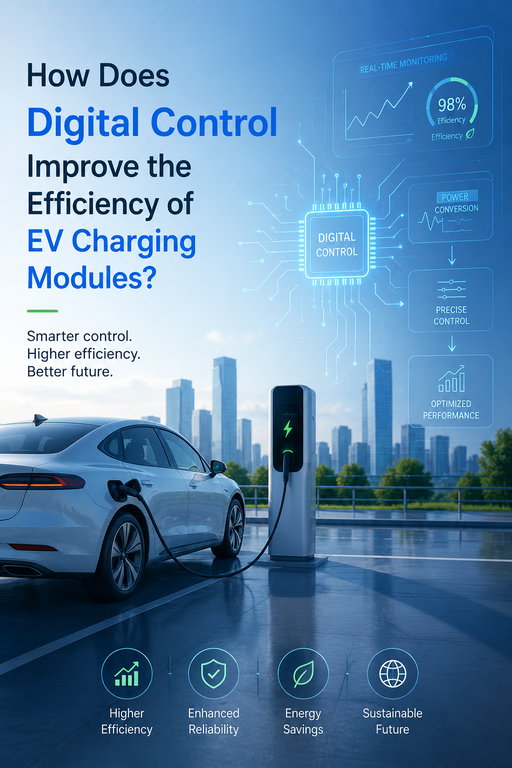
Reliability in power conversion often comes down to how precisely a system can manage its internal electrical flow. At UUGreenPower, we have seen that moving away from traditional analog circuits toward sophisticated digital signal processing changes everything for an ev charging module. Digital control allows for real-time adjustments to voltage and current, ensuring that the power curve remains steady even when the grid fluctuates. This precision reduces the amount of energy lost as heat, which means more power actually reaches the vehicle battery instead of being wasted. By using high-speed processors, the system can predict load changes and react in microseconds, keeping operations smooth and consistent across different charging cycles.
Real-Time Optimization of Power Conversion
Efficiency gains are most noticeable when we look at how an ev charging module handles varying power loads. Digital controllers use complex algorithms to manage the switching frequency of the transistors, allowing the hardware to operate within its most efficient range regardless of whether it is outputting 10% or 100% capacity. Unlike older methods that might struggle with efficiency at lower power levels, digital management keeps the energy transfer optimized at all times. We find that this level of control is essential for maintaining high performance in environments where multiple vehicles are drawing power simultaneously from the same source.
Advanced Thermal Management and System Health
Heat is the primary enemy of electrical efficiency, but digital control provides a way to fight back through intelligent monitoring. By integrating sensors directly into the control loop, an ev charging module can adjust its performance based on real-time temperature data. If a specific component begins to warm up, the digital brain can shift the workload or slightly tune the switching parameters to mitigate heat buildup before it becomes an issue. This proactive approach not only saves energy that would otherwise be spent on cooling fans but also extends the life of the internal components by preventing thermal stress.
Seamless Integration with Smart Grid Protocols
Modern infrastructure requires equipment that can communicate, and digital control makes this possible by acting as a bridge between the hardware and the software. We design our systems so that each power block can report its status and efficiency metrics back to a central management platform. Because the ev charging module is digitally controlled, it can receive firmware updates that improve its logic and efficiency over time without needing any physical hardware changes. This flexibility ensures that the charging station stays compatible with evolving grid standards and utility requirements, making the entire setup more resilient for the long term.
Wrapping up, the shift to digital control is a practical necessity for anyone building a modern charging network. It replaces rigid, aging technology with a flexible system that learns and adapts to the specific needs of each vehicle and energy source. By focusing on precision timing and intelligent thermal oversight, these modules achieve a level of performance that was simply impossible a decade ago. At UUGreenPower, we remain committed to refining these digital processes because we know that every percentage point of efficiency gained is a step toward a more stable and sustainable energy future. Focusing on the logic behind the power is what keeps the wheels turning.
Why Do EV Charging Modules Require Precise Current and Voltage Control Systems?
2026-05-31 NextWhen Should Liquid-Cooled EV Charging Modules Be Preferred Over Air-Cooled Designs?
2026-06-01

