
2026-06-05
UUGreenPower
0
The rapid transition toward electric mobility requires robust infrastructure to support the growing number of vehicles on our roads. At UUGreenPower, we often analyze the fundamental components that enable efficient energy transfer. A primary focus for engineers is the EV charging module, which serves as the heart of hardware systems designed to convert grid electricity into a usable format for vehicle batteries. By managing power conversion with high precision, these components ensure that energy delivery remains stable and safe across various operational environments.
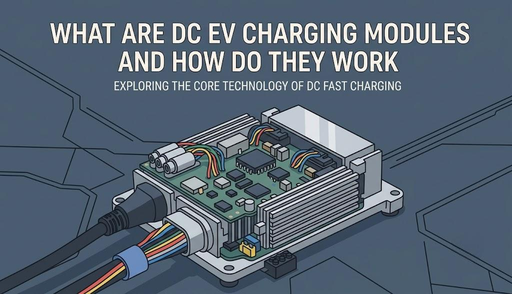
The Role of Power Conversion
The technical foundation of any high-capacity charger relies on advanced electronics. When we design infrastructure, we prioritize the dc EV charging station module to handle the complex task of rectifying alternating current from the grid into the direct current required by vehicle battery packs. This conversion process must be highly efficient to minimize energy loss as heat. By utilizing sophisticated control algorithms, these units adjust voltage and current levels dynamically, responding to the specific demands communicated by the vehicle during the initiation of the power transfer.
Efficiency and Thermal Management
Heat dissipation is a critical factor when designing reliable hardware. During the operation of electronic components, maintaining an optimal thermal profile is essential for longevity and sustained performance. We implement advanced cooling techniques to prevent overheating, which ensures that the hardware can deliver consistent power even during extended periods of high demand. Proper thermal design not only protects sensitive electronic components from stress but also helps maintain the stability of the entire infrastructure setup over its operational life.
Integration in Modern Infrastructure
Installing a reliable DC EV charging station module is essential for creating a network that users can depend on. Our approach focuses on ensuring that these components communicate effectively with the central management systems of charging sites. By synchronizing the power output with the real-time requirements of the grid and the battery management systems of the vehicles, these modules enable a seamless energy flow. This integration is vital for maintaining network reliability and ensuring that energy distribution stays within safe operational parameters regardless of how many vehicles are connected at once.
Future Perspectives on Energy Transfer
Looking ahead, the evolution of hardware will continue to improve the speed and safety of energy delivery. While we focus on refining current methods, the objective remains clear: to provide hardware that adapts to changing grid conditions and vehicle specifications. Continuous improvements in power density and conversion efficiency will define the next phase of energy infrastructure. As we look at the progress of the industry, we anticipate that the reliability of each module will continue to play a pivotal role in supporting the long-term viability of electric transport across the globe.
In conclusion, the DC EV charging station module acts as the engine of our current energy infrastructure. Through careful design and consistent monitoring, these components enable the reliable power delivery needed to support widespread adoption of electric vehicles. As we continue to innovate, we remain committed to enhancing the stability and safety of these essential ev charging module systems.
How Can EV Charging Modules Be Optimized for Integration with Renewable Energy Sources?
2026-06-04 NextWhy Are DC Power Modules Important for EV Charger Manufacturers?
2026-06-05

