
2026-06-06
UUGreenPower
0
When we develop infrastructure for electric vehicles, the thermal management of our hardware remains a vital consideration for long-term stability. As power demands increase, we observe that traditional air-based heat dissipation faces significant physical limitations. At UUGreenPower, we advocate for advanced thermal strategies to ensure equipment longevity and consistent performance. By prioritizing the EV charging module architecture, we help ensure that the hardware remains cool and operational during high-demand periods. This focus on heat regulation is essential for any operator looking to provide a stable and reliable service.
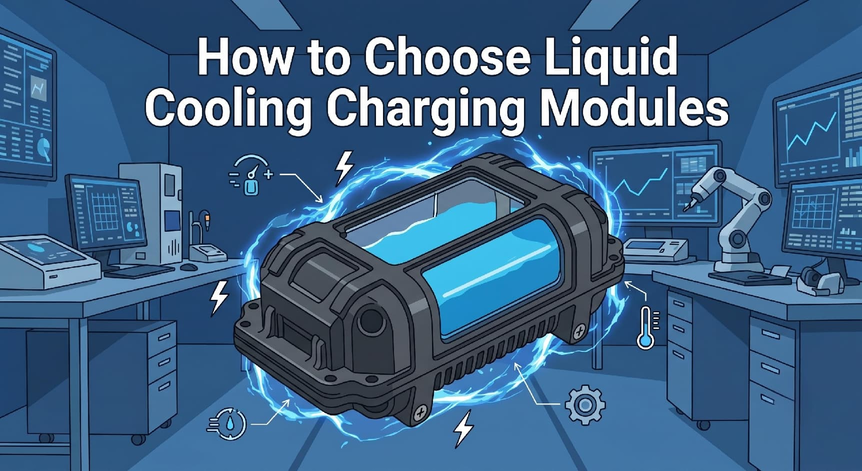
Evaluating Thermal Management Needs
The primary function of an efficient charging station is to manage heat generated during rapid energy transfer. We believe that identifying the specific thermal requirements of a site is the first step toward building a robust network. When we integrate a liquid cooling charging module, we gain the ability to move heat away from sensitive electronics far more effectively than fans ever could. This method provides a more uniform internal temperature, which directly supports the health of the internal circuitry. For any deployment, assessing the expected usage patterns allows for a more informed decision regarding the cooling capacity needed for your specific environment.
Assessing Durability and Operational Environment
The physical environment where a charger is located often dictates the necessary level of hardware protection. In regions with high ambient temperatures or heavy dust, protecting the delicate electrical components is critical to avoiding frequent maintenance interventions. We find that the ev charging module design, when paired with liquid-based heat exchange, allows for a fully enclosed cabinet. This seal prevents environmental contaminants from reaching the internal power components. By keeping the system isolated from the outside air, we significantly reduce the wear and tear caused by external elements, which supports a longer operational life for the infrastructure.
Prioritizing User Experience and Noise Levels
Quiet operation is increasingly important for chargers installed in urban or residential settings. We notice that high-speed fans, often used in conventional cooling, generate significant noise pollution that can limit where a station can be deployed. Utilizing a liquid cooling charging module offers a much quieter alternative, as the fluid circulation operates with minimal noise output. This feature enhances the surrounding environment and improves the overall experience for the user. At UUGreenPower, we prioritize these refinements to ensure that our technology fits seamlessly into public spaces without causing unnecessary disruption to the community.
Building reliable charging infrastructure requires a careful balance between power density, environmental protection, and thermal efficiency. By evaluating the thermal management capabilities, the durability provided by sealed designs, and the noise-reduction benefits, operators can make informed decisions. We remain dedicated to providing hardware that supports these goals, ensuring that every charging point remains highly functional and quiet. As the industry advances, the adoption of superior cooling technology will continue to be a defining factor in the success of public and private charging networks worldwide.
How Can IP65 Charging Modules Reduce Maintenance and Improve Network Uptime?
2026-07-09 NextWhat Should You Know About IP65 Charging Modules?
2026-06-06

