
2026-06-08
UUGreenPower
0
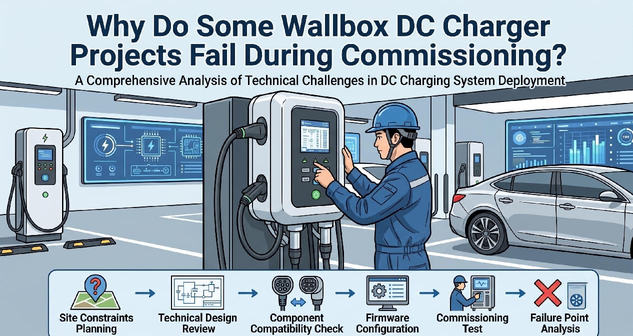
The integration of high-capacity energy hardware requires precise coordination and attention to technical detail. When we oversee the deployment of a wallbox, we often find that the difference between a seamless go-live and a stalled project lies in the preparation phase. Commissioning serves as the critical moment where internal software configurations meet physical grid conditions. If any variable—from power supply stability to communication protocols—is mismatched, the equipment may fail to initialize correctly. At UUGreenPower, we observe that technical oversight during this final stage often stems from rushed assumptions about site readiness or inadequate testing of the digital backbone before the power is turned on.
Grid Readiness and Power Stability
A common hurdle involves the mismatch between the facility's available power and the requirements of the wallbox DC charger. Before physical installation begins, it is vital to verify that the local grid can support the continuous load demanded by the hardware. We frequently see projects falter because the electrical infrastructure has not been properly upgraded to handle the high current flow. If the voltage levels are inconsistent or the phase distribution does not align with the hardware specifications, the unit may trigger safety shutdowns during its initial handshake with the grid. Ensuring that the site transformer and distribution board are fully capable of sustaining the required output is a fundamental step that must be completed long before the commissioning team arrives on-site.
Communication and Software Integration
Hardware functionality is only half of the equation; a wallbox must also integrate smoothly with a backend management system to be considered truly operational. During commissioning, many failures arise from communication breakdowns between the device and the network. If the Ethernet or cellular connection is unstable, or if the firmware versions are incompatible with the central management platform, the system may fail to authenticate or start a charging session. Our experience at UUGreenPower indicates that validating the digital handshake and software compatibility during the design phase prevents these costly field disruptions. Establishing a clear communication path and testing connectivity before the final energization phase is essential for avoiding project stalls.
Environmental and Physical Installation Standards
The physical environment plays a significant role in whether a wallbox DC charger operates as intended upon startup. Issues such as improper grounding, moisture ingress, or damaged connectors often go unnoticed until the system is energized. When these physical faults are present, the internal sensors may detect safety risks, leading the system to lock down automatically. Rigorous visual inspections and adherence to environmental protection ratings—ensuring that all conduits, seals, and wiring are properly secured—are necessary to prevent these errors. Taking the time to verify that the physical setup meets all safety and environmental guidelines ensures that the equipment can handle the demands of its operational location without triggering protective fault codes.
Sustaining Long-Term Operational Success
In summary, project failure during the commissioning phase is rarely due to a single catastrophic event but is instead the result of accumulated small oversights. By ensuring grid stability, confirming software integration, and maintaining strict physical installation standards, operators can secure a reliable energy infrastructure. Success requires a methodical approach that prioritizes thorough testing and validation at every step. When these criteria are met, the deployment process remains efficient, leading to a stable and fully functional charging environment that supports the ongoing expansion of electric mobility.
How Can Wallbox Car Chargers Reduce EV Charging Installation Costs?
2026-06-08 NextHow Can Wallbox EV Charging Systems Be Integrated into Existing Infrastructure?
2026-06-08

