
2026-06-08
UUGreenPower
0
As the shift toward electric mobility accelerates, residential and commercial environments often face challenges when retrofitting hardware into established electrical layouts. At UUGreenPower, we observe that the successful implementation of charging hardware depends on how well new devices align with current electrical grids. A wallbox provides a compact solution for energy delivery, yet its integration requires a clear plan to balance load requirements with existing panel capacities. By focusing on hardware compatibility and grid stability, we help property owners manage this integration process without overloading their current systems.
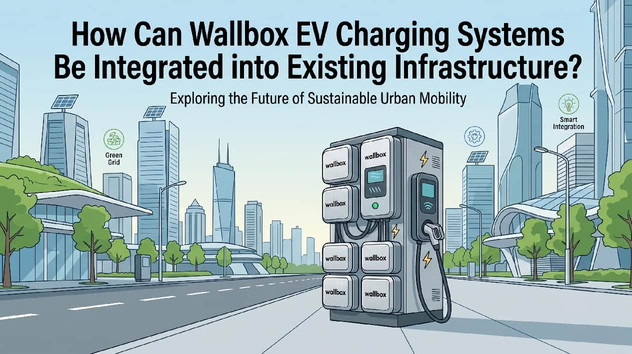
Assessing Electrical Capacity and Load Management
Before installing any hardware, we examine the available capacity of the local electrical panel. Adding a wallbox EV charging point demands a reliable power source, and we advise performing a thorough audit to verify that the existing infrastructure supports the added load. If the circuit capacity remains limited, energy management software or hardware restrictions become necessary to prevent outages. Our focus is to ensure that the installation of the hardware remains safe and compliant, allowing the facility to distribute power efficiently without requiring expensive grid upgrades.
Ensuring Compatibility with Grid Standards
The connection between hardware and the broader grid determines how smoothly a station functions over time. When we look at a wallbox, we prioritize units that feature intelligent communication protocols, which help the device talk to the grid or other smart energy controllers. This communication prevents spikes in demand during peak hours, ensuring the station remains within established safety limits. At UUGreenPower, we believe that hardware which communicates effectively with the site’s electrical backbone minimizes the risk of system faults, providing a stable experience for users while protecting the property’s existing electrical components.
Practical Considerations for Mounting and Connectivity
Physical installation represents a vital aspect of ensuring hardware reliability in existing buildings. When positioning a wallbox EV charging unit, we analyze the distance from the distribution panel to minimize voltage drop and installation complexity. A professional approach considers the specific cable pathways and the necessity for robust internet or cellular connectivity, which allows for remote diagnostics and monitoring. Proper placement not only facilitates easier maintenance but also ensures that the equipment remains protected from environmental factors. By following strict installation guidelines, we ensure that the hardware remains operational and accessible for the long term.
The successful deployment of charging hardware within an existing facility is achievable through careful planning and adherence to electrical safety protocols. By identifying available capacity, ensuring communication with the grid, and focusing on proper physical installation, property owners can effectively integrate a wallbox into their sites. Furthermore, utilizing a high-quality wallbox EV charging solution ensures that the infrastructure remains resilient and ready for the future of transportation. We support these efforts by providing the technical knowledge required to make these projects successful, ensuring that every installation meets the high expectations of current vehicle owners.
Why Do Some Wallbox DC Charger Projects Fail During Commissioning?
2026-06-08 NextWhat Are the Key Concepts Behind Ultra Fast Charging Modules?
2026-07-14

