
2026-06-09
UUGreenPower
0
As electric vehicle adoption increases, we observe a growing necessity for intelligent energy management within residential and commercial settings. The surge in energy consumption requires us to find effective methods for balancing electrical demand against the finite capacity of existing distribution networks. At UUGreenPower, we emphasize that a standard wallbox serves as more than just a power delivery point; it functions as a vital participant in broader energy distribution stability. By integrating these devices with smart software, we gain the ability to distribute power efficiently, ensuring that grid stress is minimized during periods of high demand.
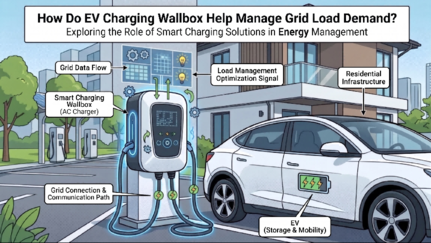
Dynamic Power Allocation for Residential Stability
The primary mechanism by which an EV charging wallbox assists the grid is through dynamic load management. In a typical household, total electrical capacity is restricted by the main circuit breaker. When multiple high-draw appliances operate simultaneously with a charging session, the system risks an overload. An intelligent controller monitors real-time energy usage and automatically adjusts the power output allocated to the vehicle. We prioritize hardware that throttles charging rates instantaneously when other domestic loads increase, thereby preventing the need for massive infrastructure upgrades at the property level while keeping the local distribution lines balanced.
Smart Integration with Utility Programs
Beyond local load balancing, modern hardware facilitates communication with the wider energy network. By connecting an ev charging wallbox to the internet, users and utility providers can participate in demand response programs. During peak hours, when the grid experiences the greatest strain, these systems receive signals to reduce charging intensity or pause sessions entirely. We see this as a practical way to flatten the peaks in electricity usage. Our focus at UUGreenPower remains on developing equipment that respects these external signals, allowing operators to prioritize essential grid needs without sacrificing the basic requirement of a fully charged battery by the start of the next day.
Leveraging Renewable Energy Surplus
Managing grid demand effectively often involves utilizing locally generated renewable energy, such as solar power. A well-configured wallbox can be set to prioritize charging only when surplus energy is available from on-site installations. This behavior ensures that the additional load of charging an electric vehicle does not contribute to grid congestion during high-consumption periods. Instead, the vehicle acts as a buffer for local energy production. By shifting demand to coincide with periods of high renewable output, we contribute to a more stable environment where the local grid remains unburdened, reflecting a balanced approach to modern electrification.
Future Perspectives on Grid Flexibility
The integration of intelligent energy management technology is essential for the long-term stability of our energy infrastructure. As we look ahead, the role of residential and fleet charging hardware will grow in importance, functioning as a bridge between consumer needs and utility capabilities. By adopting devices capable of sophisticated load adjustments, we support a resilient grid that can handle the transition to widespread electric mobility. We remain committed to providing robust solutions that facilitate this evolution, ensuring that power remains available and reliable for everyone who requires it.
How Do DC Wallbox EV Chargers Differ From AC Wallbox Chargers in Real Projects?
2026-06-09 NextHow Does IP65 Affect Wallbox Charger Installation Requirements?
2026-06-10

