
2026-06-12
UUGreenPower
0
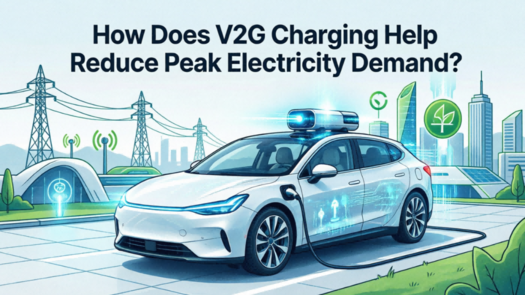
As the grid faces increased pressure from the widespread adoption of electric vehicles, we at UUGreenPower examine how bidirectional energy flow offers a viable solution for stability. Traditional charging infrastructure functions as a one-way street, drawing power from the utility to fill battery packs. However, the emergence of V2G technology alters this dynamic by allowing parked vehicles to act as decentralized energy reservoirs. By discharging stored electricity back into the grid during times of high stress, we can alleviate the burden on power plants and prevent the need for redundant infrastructure. This interaction between the vehicle and the grid is central to the future of energy management.
Balancing Grid Loads through Bidirectional Power
The most significant benefit of bidirectional power flow is the ability to flatten the demand curve. During the late afternoon and evening, electricity consumption often spikes as households return home. Integrating V2G charging allows operators to tap into the collective capacity of plugged-in vehicles to supply power to the grid when it is needed most. This balancing act helps grid managers maintain a stable frequency without relying solely on peaker plants. By treating individual electric vehicles as flexible assets, we create a more resilient energy environment that can accommodate fluctuating generation from renewable sources.
Economic and Operational Stability for Grid Managers
Utility providers often struggle with the volatility inherent in renewable energy sources like wind and solar. When generation levels drop or demand surges, the grid requires rapid response resources to avoid outages. Implementing V2G systems provides a unique method to bridge these gaps. Instead of scaling up fossil-fuel-based generation, utilities can incentivize vehicle owners to export energy. This approach ensures that the energy already stored in vehicle batteries is utilized to its maximum potential. We see this as an essential step toward a more reliable electrical network that benefits both the operator and the consumer through improved system health.
Empowering Users through Grid Participation
Active participation from vehicle owners is a cornerstone of this energy model. By offering interfaces that make the process of exporting electricity simple and automated, we can encourage widespread adoption. A V2G charging setup must prioritize the needs of the driver, ensuring that enough range is reserved for their daily travel requirements. When the software handles the complexities of grid synchronization, users can comfortably contribute their stored energy without manual intervention. At UUGreenPower, we believe that providing intuitive tools for this exchange will encourage more users to participate in demand-response programs, creating a more sustainable energy ecosystem.
Future Outlook for Bidirectional Energy Systems
The expansion of bidirectional energy capabilities represents a shift toward a more circular power economy. By utilizing the existing storage capacity found in the electric fleet, we can reduce the reliance on centralized generation during critical periods. A V2G charging implementation remains a practical way to address the intermittency of the modern grid. As we look ahead, the synergy between automotive and utility sectors will be fundamental to maintaining power quality. We continue to support the technical advancements necessary to make this bidirectional flow a standard feature of the grid, ensuring that energy is managed with efficiency and care.
How Does a V2G EV Charger Solution Benefit EV Charging Operators?
2026-06-12 NextHow Does V2G Charging Support Microgrid Applications?
2026-06-12

