
2026-06-12
UUGreenPower
0
As the energy sector moves toward greater decentralization, the integration of mobile storage assets into local power networks has become a central focus. At UUGreenPower, we observe that the ability to manage energy flow dynamically is vital for the stability of modern electrical systems. By utilizing V2G, we allow electric vehicle batteries to function as active participants in grid balancing rather than simple passive loads. This dual-purpose capability represents a significant shift in how localized power environments manage fluctuations in supply and demand.
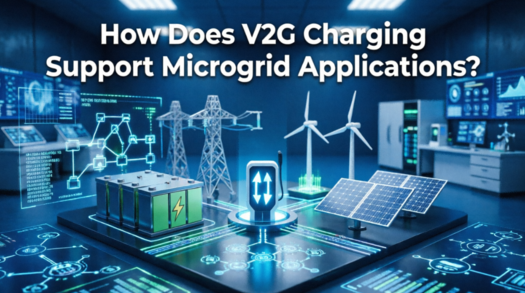
Stabilizing Local Power Environments
Microgrids often rely on intermittent renewable sources like solar or wind, which can create imbalances between production and consumption. To maintain steady frequency, these systems need flexible assets that can respond quickly to spikes or drops in available energy. A V2G EV charger provides the necessary hardware interface for this exchange, enabling the system to draw power from parked vehicles during peak demand or store excess renewable energy when generation is high. By deploying this technology, operators can smooth out the volatility inherent in renewable generation, ensuring that the local network remains reliable without requiring constant reliance on large-scale external power plants.
Enhancing Resiliency During Network Outages
The strength of a microgrid lies in its ability to island itself from the main grid during emergencies or maintenance. In these instances, the role of distributed energy storage becomes paramount for maintaining critical operations. When integrated correctly, vehicles connected to the local network can serve as a secondary power reserve, providing electricity to essential infrastructure when primary sources are unavailable. We emphasize that a robust V2G framework allows for a seamless transition during power disruptions, as the stored capacity acts as a buffer to keep lights and essential systems functional. This application provides a layer of security that traditional, one-way charging setups cannot match.
Optimizing Operational Efficiency and Resource Utilization
Beyond reliability, there is a clear economic motivation for incorporating bidirectional energy flow into site planning. By managing how and when energy is transferred, organizations can minimize reliance on the main grid during high-tariff periods, effectively shifting their load profile to favor cheaper or self-generated energy. A high-quality V2G EV charger facilitates this smart management by communicating with the site’s energy controller to optimize battery usage. Through these intelligent operations, we enable site managers to make better use of their existing assets, ensuring that each vehicle connected to the network contributes to the overall efficiency of the microgrid.
Summary of V2G Integration
The incorporation of bidirectional power flow is essential for building flexible, resilient, and efficient local energy systems. By leveraging the storage capacity already present in electric fleets, developers can address the challenges of intermittency and demand peaks with greater precision. As we continue to refine our approach at UUGreenPower, it becomes clear that V2G is not merely a feature of modern chargers but a foundational element of future-proof infrastructure. Through careful planning and the deployment of capable hardware, the goal of a balanced and autonomous power environment is well within reach for communities and commercial operators alike.
How Does V2G Charging Help Reduce Peak Electricity Demand?
2026-06-12 NextHow Can Wallbox DC Chargers Improve Efficiency in Public Charging Networks?
2026-07-20

