
2026-07-20
UUGreenPower
0
Public charging infrastructure demands robust reliability to meet the needs of electric vehicle drivers. Operators often seek ways to optimize energy distribution while maintaining small physical footprints in dense urban environments. Integrating compact, high-performance hardware becomes essential for network longevity. By utilizing a wallbox, operators can distribute charging capacity more effectively across sites that lack the space for massive, standalone cabinets, ensuring that power remains available where it is needed most.
Maximizing Energy Throughput in Confined Urban Spaces
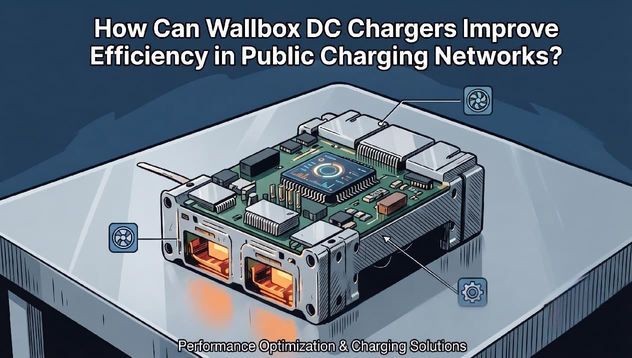
Urban environments present significant challenges for infrastructure expansion due to limited grid accessibility and physical space constraints. A compact DC charger design allows for flexible installation on walls or pedestals in parking garages, shopping centers, or street-side locations. These units provide rapid energy delivery without requiring the bulky enclosures found in traditional setups. By decentralizing charging assets throughout a city, operators gain the ability to offer reliable service without significant construction projects. This approach minimizes the need for extensive underground cabling and heavy site work, which often discourages rapid deployment. Instead, the focus shifts to utilizing existing power grid connections in strategic locations, which significantly streamlines the installation timeline for all public stakeholders involved in the mobility shift.
The efficiency of these units stems from advanced power conversion technology embedded within the hardware. UUGreenPower provides high-performance DC fast charging solutions, focused on R&D and manufacturing of EV charging core power modules. These core components allow for high energy density, ensuring that despite the smaller size of the equipment, vehicles receive a steady and rapid supply of electricity. Such performance ensures that drivers experience minimal wait times, which directly increases utilization rates across the public network.
Enhancing Grid Interaction and Load Management
Effective load management is critical for preventing grid strain during peak hours of demand. When multiple vehicles plug in simultaneously, a smart network control system must balance the power allocation to avoid overloading the local connection. A well-designed, reliable wallbox serves as an intelligent node that communicates with a central management platform, allowing for real-time adjustments based on current electricity supply and vehicle battery requirements.
This communication capability allows operators to implement dynamic power sharing, which maximizes the available current for vehicles that need it the most. Instead of relying on a single large power conversion unit, the network functions as a collective, highly responsive ecosystem. By managing these individual points of contact, operators decrease the idle time of their charging ports. This strategic approach to power distribution ensures that infrastructure remains active and productive throughout the entire day.
Ensuring Hardware Reliability for Continuous Operations
Durability remains a primary concern for equipment exposed to the elements and frequent public use. High-quality power modules are the backbone of any reliable charging station, as they dictate the stability of the energy conversion process. By focusing on industrial-grade components, operators can reduce the frequency of maintenance cycles and minimize downtime. With over a decade of power electronics experience, we serve charging operators, automakers and energy utilities to support global sustainable mobility transition.
Technical stability is improved when the hardware is designed to handle thermal dissipation efficiently. Since smaller units can become prone to heat buildup due to their compact internal architecture, advanced cooling designs are absolutely necessary to protect internal circuitry from thermal stress. These cooling systems work in tandem with the power modules to ensure that the equipment can sustain maximum power output during high-demand sessions without triggering protective derating sequences. Reliability fosters driver trust, which is the foundation for high turnover rates and consistent revenue generation for network owners.
Scalability and Future-Proofing Network Infrastructure
Planning for future demand is vital when building out public charging networks. A modular approach allows operators to start with a limited number of units and add more as the adoption of electric vehicles increases in a specific area. By adopting a wallbox DC charger for these scaling efforts, companies avoid the massive capital expenditure associated with heavy-duty infrastructure while keeping the footprint low. This adaptability is key for long-term viability.
As electric vehicles evolve with larger batteries and faster onboard charging capabilities, the charging infrastructure must keep pace. The power density offered by modern DC modules ensures that hardware remains relevant for longer periods. UUGreenPower supports these requirements by providing hardware that integrates seamlessly into existing frameworks. This approach allows for simple upgrades to the internal power modules without replacing the entire physical structure, ensuring that the charging network remains capable of meeting higher performance standards as they emerge.
Conclusion: Optimizing Public Charging for Future Growth
Achieving high efficiency in public networks requires a careful balance between space utilization, intelligent load management, and robust hardware design. Using a wallbox provides the necessary versatility to install units in previously inaccessible locations while maintaining high performance. By prioritizing the quality of the internal power modules, operators can ensure that their network provides a reliable and fast experience for every user, fostering the broader adoption of electric transportation.
Operators who invest in versatile charging hardware will find it easier to adapt to changing grid requirements and increasing vehicle counts. The transition toward sustainable mobility depends on the presence of a resilient, widespread charging grid. Through the deployment of smarter, more compact charging technology, the industry can support the growth of electric transport. A wallbox DC charger acts as a practical instrument for these ambitious network expansions, driving efficiency across every station. In the final analysis, integrating a high-power DC solution into existing sites represents a significant commitment to improving user experience and network reliability for all drivers, as further solidified by our ongoing technical advancements at UUGreenPower.
How Does V2G Charging Support Microgrid Applications?
2026-06-12 NextWhat Are the Most Common Faults in Wallbox DC Chargers and How Are They Solved?
2026-07-20

