
2026-06-01
UUGreenPower
0
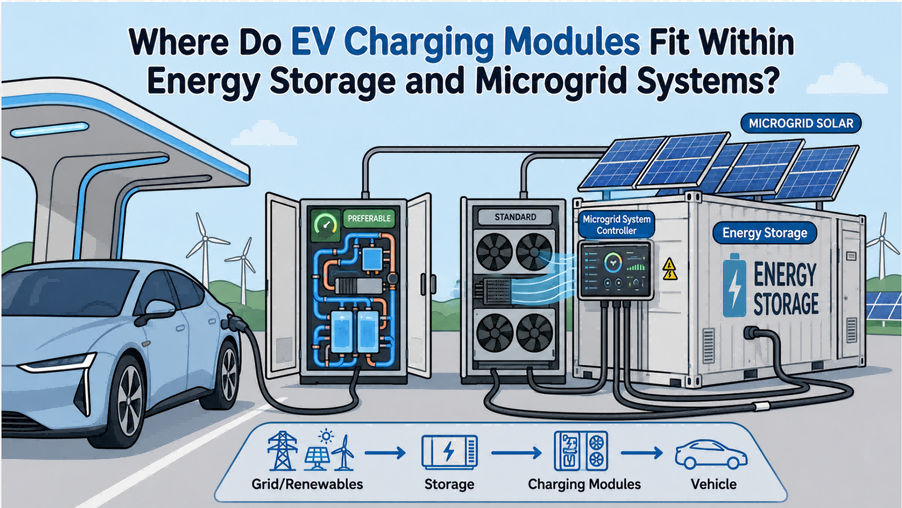
Integrating renewable energy with local power systems has moved from a niche concept to a practical necessity for modern infrastructure. Within this ecosystem, the ev charging module acts as the critical bridge between energy sources and the vehicles that need power. Instead of relying solely on the primary grid, microgrids use a combination of solar panels, batteries, and intelligent conversion hardware to manage local demand. At UUGreenPower, we see these components as the heart of a decentralized energy strategy. By placing the right conversion technology at the center of the system, we help facilities maintain a steady flow of electricity while balancing the loads from various on-site resources.
Serving as the Bridge for Solar and Battery Integration
A primary role of the ev charging module in a microgrid is managing the transition between different power inputs. When solar arrays generate excess energy during the day, that electricity can be diverted to onsite batteries or sent directly to vehicles. We design our hardware to handle these multi-source inputs, ensuring that power remains stable even when switching between the grid and stored energy. This flexibility is what allows a microgrid to operate independently during peak hours or outages. By utilizing high-efficiency conversion, we ensure that the energy captured from the sun is used effectively to power the local transport fleet without unnecessary waste.
Balancing Loads and Enhancing Grid Stability
Reliability in a microgrid depends on how well the system can buffer sudden spikes in demand. An ev charging module integrated with energy storage can pull power from batteries rather than the main utility line during high-traffic periods. This capability is essential for avoiding heavy demand charges and protecting local transformers from being overwhelmed. We believe that smart power distribution at the module level is key to making microgrids viable for industrial parks and office complexes. When the hardware can communicate with an energy management system, it can prioritize charging based on the current state of the battery storage, keeping the entire local network in balance.
Enabling Bidirectional Energy Flow for Future Readiness
Modern microgrids are increasingly looking at vehicles not just as consumers, but as temporary storage assets. A bidirectional ev charging module allows energy to flow back from the vehicle battery into the microgrid or the building, a process known as V2G or V2X. This creates a circular energy economy where the cars parked at a facility can support the local grid during an emergency. UUGreenPower focuses on developing these versatile conversion solutions to give site operators more control over their energy footprint. As these systems become more common, the ability to move energy in both directions will be a defining feature of a truly resilient and autonomous microgrid.
Putting these pieces together creates a robust energy environment that is less dependent on external factors. The ev charging module is much more than a simple power converter; it is the fundamental unit that makes energy storage and microgrids work together seamlessly. By focusing on high protection levels and wide voltage compatibility, we ensure that our equipment can handle the diverse requirements of these integrated systems. As the shift toward decentralized power continues, the synergy between storage and charging will remain the foundation of sustainable energy management. How can we help you integrate these components into your next project?
When Should Liquid-Cooled EV Charging Modules Be Preferred Over Air-Cooled Designs?
2026-06-01 NextWhich Certifications Ensure EV Charging Module Compliance in International Markets?
2026-06-01

