
2026-06-03
UUGreenPower
0
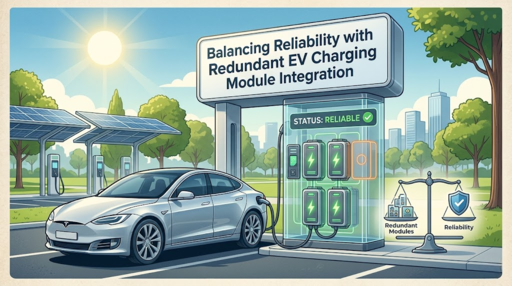
Continuous operation remains the benchmark for success in the electric vehicle infrastructure sector, where even a brief outage can disrupt entire logistics chains. When we look at the internal mechanics of a high-power station, the ev charging module is the primary component responsible for energy conversion. Relying on a single unit creates a vulnerability; if that component fails, the entire station is sidelined. At UUGreenPower, we suggest a redundant configuration for sites where service continuity is essential. By installing multiple units to share the workload, the system gains the ability to bypass a faulty component and continue delivering power. This approach ensures that the charging process remains active, providing a level of reliability that single-path systems simply cannot match.
Protecting High-Stakes Commercial Fleet Timetables
Logistics and transport companies depend on a predictable schedule, and a faulty ev charging module can lead to late deliveries and missed targets. For a fleet of electric trucks or vans, the charging window is often narrow, occurring during overnight shifts or specific loading breaks. If a power unit fails in a non-redundant system, those vehicles stay stationary. We emphasize that building redundancy into the hardware layer allows the station to maintain a functional state even if one power stage goes offline. This backup capability means that while the charging speed might be slightly lower, the vehicles still receive the energy they need to complete their routes, protecting the operational integrity of the business.
Maintaining Service at High-Utilization Public Hubs
Busy public locations require a robust ev charging module setup to handle the high volume of daily users without frequent service interruptions. In these high-traffic areas, hardware is pushed to its thermal and electrical limits, which naturally increases the risk of component wear. If a station features a redundant layout, it can automatically redistribute the load among the remaining healthy units should a problem arise. UUGreenPower develops hardware that supports this kind of seamless failover, keeping the station online and accessible to the public. This prevents the frustration of a "system down" notification and ensures that the site continues to serve drivers and generate usage data without a total halt in operations.
Reducing Maintenance Urgency in Remote Locations
Servicing equipment in distant or hard-to-reach areas is often a logistical challenge, making the durability of the ev charging module even more critical. When a system is designed with built-in redundancy, a single hardware fault does not necessitate an immediate emergency repair trip. The station can continue to operate in a degraded but functional mode, allowing the operator to plan a maintenance visit during regular business hours. We have found that this strategy significantly lowers the pressure on service teams and reduces the overall impact of hardware issues. By ensuring that the power keeps flowing through the remaining units, the site remains an asset rather than a liability while waiting for a routine component replacement.
Resilience is achieved through thoughtful planning and the implementation of backup systems at the core of the infrastructure. When an ev charging module is paired with redundant partners, the risk of a total system failure is virtually eliminated. At UUGreenPower, we focus on providing the hardware flexibility needed to build these dependable networks. This modular approach to reliability is the most effective way to ensure that the transition to electric transport is supported by a stable and trustworthy power grid. Investing in redundancy is an investment in the long-term confidence of every driver and fleet manager who relies on your network. Providing a steady, uninterrupted flow of energy is the ultimate goal for any serious infrastructure provider.
Why Efficiency Matters for an EV Charging Module During Partial Load
2026-06-02 NextWhere Do EV Charging Modules Contribute Most to Overall System Energy Losses?
2026-06-03

