
2026-06-03
UUGreenPower
0
Reliability in extreme environments is a primary concern for station owners who need their hardware to last for a decade or more. Every ev charging module we develop must withstand a variety of stressors, from intense heat to corrosive coastal air. Selecting the right physical components is what separates a long-lasting station from one that requires constant repairs. We focus on a combination of advanced semiconductors, robust housing materials, and protective coatings to ensure that internal electronics remain shielded from the elements while maintaining peak performance.
Advanced Semiconductor Materials for Thermal Management
Heat is the greatest enemy of electronics, and the choice of internal substrate significantly impacts how an ev charging module handles high-power loads. We often utilize wide-bandgap materials like Silicon Carbide (SiC) because they offer superior thermal conductivity compared to traditional silicon. These materials allow the internal circuits to operate at higher temperatures without breaking down, which reduces the need for massive cooling systems. By integrating these resilient semiconductors, we can create more compact designs that don't sacrifice power density or long-term stability under heavy daily use.
Weatherproofing and Anti-Corrosion Housing Solutions
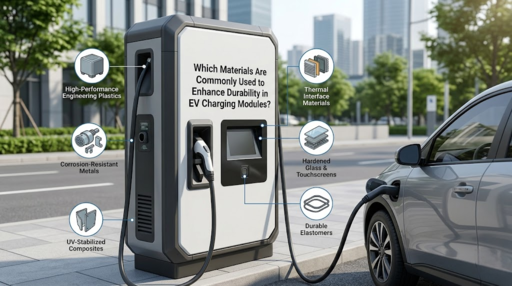
Protection starts on the outside, where high-grade aluminum alloys and UV-stabilized plastics serve as the first line of defense for the ev charging module. Since these units are frequently installed in outdoor environments, they must resist oxidation and the gradual degradation caused by direct sunlight. At UUGreenPower, we emphasize the importance of using materials that meet high ingress protection ratings to keep dust and moisture away from sensitive logic boards. Using these durable exterior materials ensures that the internal components stay dry and clean, which is vital for preventing short circuits and maintaining electrical safety.
Specialized Coatings for Internal Circuit Protection
Beyond the external casing, the internal circuit boards themselves require an extra layer of security known as conformal coating. This thin layer of specialized resin protects every ev charging module from "creeping" humidity and fine particulate matter that can cause micro-corrosion over time. We have found that applying these coatings helps maintain insulation resistance, especially in regions with high humidity or fluctuating temperatures. This attention to detail at the material level prevents the tiny electrical paths on the PCB from degrading, ensuring that the power conversion process remains efficient and reliable throughout its service life.
Investing in high-quality materials is a strategic move for any charging network operator looking to minimize long-term maintenance overhead. When hardware is built with resilient semiconductors and weather-resistant shells, the risk of unexpected failure drops significantly. UUGreenPower prioritizes this material science approach to ensure that our partners can deploy infrastructure with confidence in its physical longevity. By focusing on durability from the inside out, we help build a charging network that is robust enough to handle the increasing demands of the global electric vehicle fleet.
Where Do EV Charging Modules Contribute Most to Overall System Energy Losses?
2026-06-03 NextHow Can EV Charging Modules Be Optimized for Integration with Renewable Energy Sources?
2026-06-04

