
2026-07-09
UUGreenPower
0
Thermal management represents a critical foundation for high-power electric vehicle infrastructure. As charging stations deliver higher currents to support faster refueling, the internal heat generated by power electronics becomes a significant technical hurdle. We focus on advanced thermal control to ensure that every charging session remains stable and safe for operators and users alike at UUGreenPower.
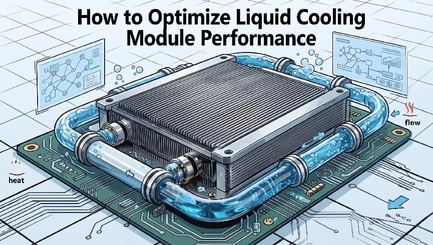
Enhancing Heat Dissipation with Liquid Cooling Charging Module
The transition from air-cooled to liquid-cooled hardware reflects a major shift in industrial capability. A liquid cooling charging module offers a closed-loop system that isolates sensitive internal components from environmental contaminants like dust or moisture. By utilizing a high-efficiency coolant circulation process, this hardware effectively transfers heat away from critical power-generating semiconductors. We advocate for rigorous coolant flow monitoring to maintain optimal thermal resistance levels within these sealed units.
Maintaining the integrity of the coolant loop remains vital for long-term operational success. Operators should ensure that the mixture of ethylene glycol and water meets specific concentration requirements to prevent internal corrosion and freezing. A liquid cooling charging module benefits from periodic inspections of the quick-plug connectors, which allow for seamless maintenance without risking fluid leaks. Furthermore, we emphasize that keeping the external radiator free of debris remains essential for maximizing heat exchange.
Strategies for High Efficiency with Liquid Cooling Charging Module
Engineers must prioritize the thermal stability of the power stack to ensure consistent delivery. When operating at peak loads, the heat accumulation within power electronics can degrade performance if not managed properly. A liquid cooling charging module enables higher power density by removing thermal constraints that typically limit air-cooled alternatives. We recommend configuring pump speeds based on real-time temperature telemetry to improve energy utilization during intensive sessions.
The physical arrangement of cooling channels directly influences the pressure drop across the internal hydraulic circuit. Proper flow distribution prevents stagnant zones where heat might linger, thereby protecting sensitive electronic components from localized thermal fatigue. We advise operators to conduct monthly audits of fluid levels and pump pressure, ensuring the hydraulic system functions within its design parameters. This practice mitigates risks associated with flow restriction and supports prolonged hardware health across diverse environmental conditions.
Optimizing Performance for Every EV charging module
System integration requires precise communication between the power electronics and the facility's control algorithms. Our engineering approach centers on dynamic digital control, which allows for real-time voltage and current adjustments. When an EV charging module operates under variable load conditions, the control logic must intelligently manage the pump speed and flow rate to maintain temperature equilibrium. By syncing the cooling performance with actual power output, facilities can prevent localized thermal stress.
Strategic thermal design goes beyond the hardware itself, encompassing the entire operational architecture of the charging site. An efficient EV charging module setup allows for higher power density in smaller footprints, which is vital for urban environments. We suggest that operators implement monitoring software that tracks thermal performance trends over time, enabling proactive service. This data-driven perspective ensures that the power stack consistently operates within its designated safe thermal envelope, extending the overall service life of the equipment.
Achieving Reliability in Every EV charging module
Infrastructure must perform reliably under extreme conditions to meet the demands of modern electric vehicle fleets. High-frequency usage patterns require thermal management that minimizes downtime while maintaining output stability. We provide the hardware necessary to support heavy-duty deployments, focusing on the precise balance between current capacity and thermal resistance. Through rigorous testing, we ensure each EV charging module maintains peak efficiency, even when subject to prolonged operations in challenging outdoor climates.
Consistent hardware performance depends on the synchronization of electrical and thermal subsystems. Operators should verify that communication protocols between the power stage and the cooling unit remain active and responsive during high-power sessions. We recommend utilizing diagnostic tools to analyze temperature stability metrics regularly, allowing for the identification of potential anomalies before they impact charging availability. This holistic management approach safeguards the investment and ensures a seamless experience for every driver throughout the service life of the infrastructure.
Maximizing Reliability through Modern Thermal Engineering
The future of sustainable mobility relies on infrastructure that performs reliably under extreme conditions. By utilizing advanced liquid-based thermal dissipation, operators can bypass the noise and maintenance limitations of traditional fan-based systems. We remain dedicated to pushing the boundaries of what thermal engineering can achieve at UUGreenPower, ensuring that the technology supports heavy-duty usage. Reliability acts as the cornerstone of a successful, future-proof charging network.
Integrating these high-performance systems requires a commitment to professional engineering standards. Whether deploying solutions in high-dust industrial parks or noise-sensitive residential areas, the right thermal management strategy dictates success. We provide the robust hardware necessary to maintain peak efficiency in every project at UUGreenPower, helping our partners deliver consistent energy to the growing global electric vehicle fleet. Through precise design and careful maintenance, the industry can overcome thermal barriers to widespread electrification.
How to Improve EV Charging Module Efficiency
2026-06-05 NextWhy Liquid Cooling Is Shaping EV Fast Charging
2026-07-09

