
2026-07-09
UUGreenPower
0
High-power energy transfer requires advanced thermal management to ensure equipment stability and longevity. As we analyze infrastructure requirements for modern electric vehicles, we identify that efficient heat dissipation determines the success of rapid energy delivery. Our team focuses on engineering hardware that addresses the intense thermal generation of high-density power electronics, providing robust support for the global transition to sustainable mobility through innovative hardware design and precise thermal control.
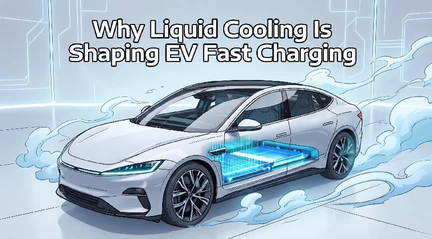
Advanced Thermal Management with an EV charging module
Traditional air-cooled hardware often encounters performance degradation during sustained high-output operations. By contrast, fluid-based systems manage heat with significant precision, allowing operators to push throughput boundaries while maintaining component integrity. Integrating a high-performance EV charging module enables more stable power curves, ensuring that energy transfer remains consistent even during heavy, prolonged usage cycles, which is essential for busy public charging stations that operate under significant continuous load.
This technology represents a shift toward higher voltage architectures, requiring components that function continuously without the necessity for thermal throttling. By deploying a sophisticated EV charging module, infrastructure developers gain the ability to shrink cabinet footprints while increasing output density. This approach ensures that internal electronic components stay within optimal temperature ranges, reducing the risk of premature failure and supporting the rapid, reliable energy replenishment required by modern electric vehicle fleets.
The Role of a liquid cooling charging module in Infrastructure
Reliability remains the primary concern for grid operators managing heavy loads across diverse networks. A high-quality liquid cooling charging module offers a distinct advantage by isolating sensitive power components from ambient environmental factors such as dust, moisture, or salt spray. This total environmental separation contributes to extended operational life and consistent power delivery, which are critical metrics for maximizing the availability of energy infrastructure in harsh or high-traffic environments.
UUGreenPower consistently provides these essential technologies, supporting partners in establishing durable, high-throughput energy networks. Our commitment to technical excellence ensures that every liquid cooling charging module meets the rigorous demands of global automotive standards. By utilizing water-based coolant circulation, we remove heat from power components efficiently, allowing for a compact, silent, and maintenance-friendly design that significantly improves the overall user experience at the station for operators and drivers alike.
Optimizing Thermal Distribution for High Capacity
Efficient heat removal allows power electronics to operate at peak efficiency for longer durations. When power density increases, the challenge is to prevent hotspots that lead to hardware fatigue. By utilizing specialized liquid loops, we effectively move thermal energy away from critical switching components. This method allows for a more compact footprint, which is a significant advantage for developers who need to maximize the number of stalls in a limited physical site layout.
Furthermore, thermal stability influences the lifespan of the entire installation. Because internal components operate at lower temperatures, the electrical stress is reduced significantly over time. We observe that consistent cooling results in fewer maintenance interventions, which supports the financial goals of infrastructure operators who require maximum uptime. Ensuring that hardware remains cool is not merely an engineering preference; it is a fundamental requirement for the long-term viability of high-capacity energy networks.
Scalable Solutions for Growing Vehicle Demands
The electrification of heavy-duty transport, such as trucks and buses, necessitates even higher power outputs than passenger vehicles. These applications place extreme demands on the power conversion hardware within charging stations. A high-performance EV charging module is vital for these scenarios, as it handles the increased load without sacrificing reliability. We focus on creating versatile hardware that can scale as the charging site expands, ensuring that current infrastructure remains relevant for years.
Integrating these systems requires a comprehensive approach to site design. Beyond the power electronics, engineers must consider the pump station, piping, and heat exchangers that form the full liquid circuit. Our experience shows that when these elements are well-integrated, the entire system gains a competitive edge in performance. We prioritize design simplicity, ensuring that field technicians can service these networks efficiently, which is a key factor for operators who manage large fleets of charging hardware.
Strategic Implementation and Future Readiness
The transition to sustainable mobility requires hardware capable of handling the increasing power needs of future vehicle generations. Adopting a liquid cooling charging module represents a forward-looking strategy for operators aiming to protect their network assets from obsolescence. As we continue to refine our power conversion technologies, our goal is to provide the critical infrastructure components that keep the world moving efficiently while ensuring long-term hardware resilience and site profitability.
We remain dedicated to innovation, ensuring UUGreenPower serves as a reliable technical partner for the long term. Through years of research in power electronics, we have developed solutions that address the specific challenges of high-density charging. Our team remains focused on delivering hardware that powers the growth of electric transportation, and we are proud to support global operators in building the robust, efficient energy networks that society requires for the future. UUGreenPower remains your partner.
How to Optimize Liquid Cooling Module Performance
2026-07-09 NextHow Can IP65 Charging Modules Reduce Maintenance and Improve Network Uptime?
2026-07-09

