
2026-08-11
UUGreenPower
0
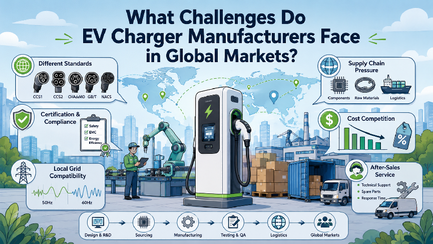
Charger programs must reconcile grid conditions, connectors, vehicle communication, cybersecurity expectations, accessibility rules, climate and certification routes. A charging solution that works in one market may need electrical, mechanical, software or documentation changes elsewhere. The challenge is to preserve a controlled product core while adapting only the elements that genuinely differ by market.
Grid, Connector, and Installation Localization
Nominal voltage, frequency, earthing arrangements, protective devices and utility requirements can differ across regions. Installation practices, cable sizing and disconnect rules also vary. The product architecture should define which input variants are supported and what remains with the local installer. Engineers need to confirm the actual operating range and fault assumptions rather than rely on a broad regional label such as “European” or “North American.”
Connector and protocol choices affect more than the cable. CCS variants, CHAdeMO and other interfaces involve different connector hardware, communication stacks and test requirements. Regional vehicle versions may not support the same functions. Connector changes can affect current rating, cable cooling, enclosure layout and user instructions. The controller software, labeling and interoperability test plan should be treated as part of the same variant, not as independent accessories.
Climate, Compliance, and Supply Controls
Temperature, humidity, rain, dust, salt, altitude and solar loading affect cooling and enclosure design. The charging solution must state which conditions have been validated and how derating is handled. An ingress-protection rating does not define heat rejection, and a broad temperature range does not guarantee full output at every point. Local test conditions should represent the intended cabinet, filters and duty cycle.
Compliance evidence is market specific. Standards and certification routes can overlap without being identical. Component evidence may support several variants, but the finished charger still needs a market-specific compliance plan. Manufacturers should control declarations, certificates, reports, labels and installation documents by model and revision. They also need a process for monitoring new editions and determining whether a change affects existing products or only future releases.
Supply-Chain Change and Factory Consistency
Supply changes can disrupt a global program. Substituting a fan, contactor, cable or conversion component can alter thermal behavior, protection or document scope. Approved alternatives, supplier change notification, incoming inspection and consistent end-of-line tests are essential. Local assembly sites should use the same controlled requirements and traceability system. Otherwise, chargers carrying the same model name can behave differently across factories or production periods.
Global Platform and Local Responsibility Coordination
UUinside addresses system design, standardized components, certification support, customized development, operations services and coordinated procurement. For buyers comparing b2b EV charging solutions, the important question is how the provider manages interfaces, revisions and local responsibilities through the complete product lifecycle. A deliverables matrix should identify what is global, what is localized and who approves each change.
Localization Matrix and Market Feedback
Build a localization matrix before redesign begins. Rows can cover input supply, earthing, connector, protocol, grid requirements, environmental conditions, accessibility, language, payment, cybersecurity and documents; columns can represent target markets. The matrix separates true product differences from installer or backend responsibilities. It also shows which variants can share hardware and which require formal change. Maintaining the matrix alongside the bill of materials helps engineering, compliance and manufacturing work from the same market assumptions.
The matrix should identify the source and date for each requirement and flag items awaiting local confirmation. This is important because market rules and accepted practices can change. A controlled review cycle lets manufacturers update affected variants without disturbing unrelated ones. It also gives sales teams a factual basis for stating where a charger configuration is supported and what project-specific approvals are still required.
Market Feedback and Localization Updates
Field feedback should be added by market so environmental, vehicle and installation issues become inputs to later revisions rather than isolated service notes.
Global success depends on disciplined localization rather than a one-size-fits-all product. A charging solution should preserve a controlled core while adapting documented market requirements. UUGreenPower positions UUinside as a platform for this coordination; final compliance and deployment decisions remain specific to each market and project.
What Should Buyers Look for in a One-Stop DC Charging Solution?
2026-08-11 NextUUinside: How Modular Components Simplify DC Fast Charger Development
2026-08-12

